

Collaborative study to examine False Creek water quality
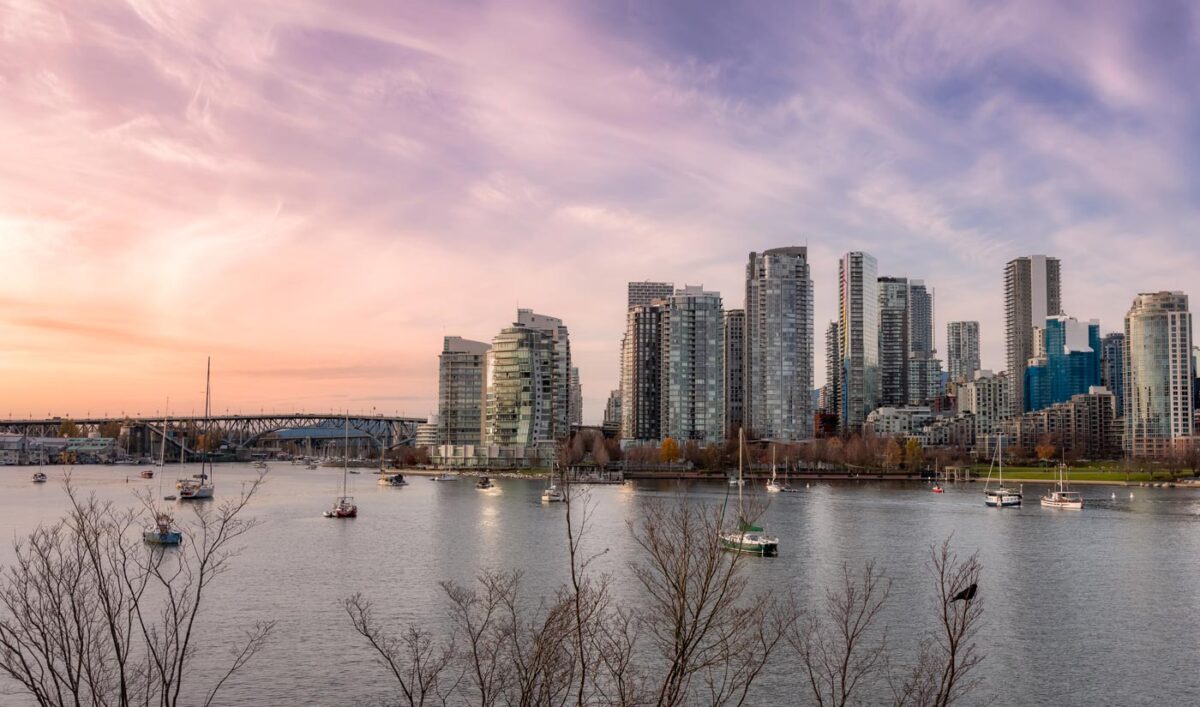
Metro Vancouver, the City of Vancouver, False Creek Friends Society, and Raincoast Conservation Foundation are working together on a project to better understand water quality conditions in False Creek and help guide future pollution reduction efforts.
“False Creek is at the heart of the city in an area that is extremely well used by the public, so it just makes good sense to do all we can to ensure that it’s healthy,” said Mike Hurley, Chair of the Metro Vancouver Board of Directors. “Through this collaboration, we’ll be able to build on the good work already underway and better understand how to best focus our efforts going forward.”
Staff and volunteers will collect samples from multiple locations, examine a wide range of parameters, and capture seasonal variations. Metro Vancouver will lead the analysis and reporting of results, with support from partners, and findings will be shared publicly once the project is complete in 2027.
“False Creek is a vital part of Vancouver’s waterfront and an important part of daily life for residents, workers, and visitors,” said Mayor Ken Sim. “This project will give us a clearer picture of its water quality and help ensure it remains a place everyone can enjoy for generations to come.”
Metro Vancouver and the City of Vancouver work together to manage sewage and rainwater for residents and businesses. The City of Vancouver manages local infrastructure and collection systems, while Metro Vancouver operates larger regional infrastructure, including sewers that move wastewater to the Iona Island Wastewater Treatment Plant and other treatment plants in the region.
“It’s our hope that this project will help catalyze Vancouver’s public around the possibility of a better and more biodiverse False Creek, while alerting our neighbors to the urgent need to make our city more climate resilient. We believe that visionary stewardship of False Creek can transform it into a world-class icon of urban renewal, economic development, and conservation through reconciliation with local Nations,” said Zaida Schneider, President of False Creek Friends. “By learning what we’re inadvertently putting in the water that may be damaging the marine ecosystem, we’ll begin to have a better idea about what needs to be done – to improve water quality of False Creek for all creatures great and small – human and more-than-human!”
In older parts of the region, the first sewers were built as ‘combined sewers’ which carry both sewage and rainwater in the same pipe. During heavy rain, these systems are designed to overflow at specific outfall locations to prevent flooding and backups into homes and businesses. Several combined sewer outfalls discharge into False Creek, with the amount of overflow depending on the amount of rainfall.
“Identifying threats to water quality in False Creek requires a blend of western science, Indigenous Knowledge, and a network of committed people and organizations. This community-oriented project will deliver new insights into the sources and activities on land and in False Creek that degrade water quality for fish, wildlife and people.” Peter S. Ross, Director of Healthy Waters at Raincoast Conservation Foundation.
False Creek is impacted by a range of environmental challenges, including from pollution arising from urban development, sewer overflows and impacted rainwater runoff. While work is already being done to reduce pollution, more knowledge is needed to target actions where they can have the greatest impact.
The False Creek Water Quality Assessment project seeks to improve understanding of current conditions – both in the Creek itself and in the discharges that flow into it. By bringing together expertise and resources, the partners have been able to carry out a far more comprehensive assessment than any one organization could achieve alone. It is anticipated that these findings will deepen overall understanding of current conditions in False Creek and the influence of sewers and rainwater systems on the area.
Raincoast Conservation Foundation is a non-profit society that engages in scientific investigations to understand coastal species and processes with the goal of safeguarding the land, waters, and wildlife of British Columbia. Its Healthy Waters Program was launched in 2023 to establish community-oriented water quality monitoring of 12 BC watersheds, including False Creek. During the study, they’ll collect samples and provide training and supervision for volunteers.
False Creek Friends Society works to restore the False Creek marine environment through community science activities, public education, and advocacy. As part of this study, they’ll provide a boat and volunteers to collect samples from the False Creek marine environment.
