
Persia Khan
Wolf Program Research Associate
Persia is an MSc Student with the Raincoast Applied Conservation Science Lab investigating potential responses of different culturally and ecologically important mammals to variation in forest seral stage. She is using data from a wildlife camera grid in Heiltsuk Territory on the Central Coast of BC. This project seeks to quantify the relationship between wildlife and forest age at the stand- and watershed-scale, allowing for inferences at both site-level and over larger areas more consistent with species home ranges, with objectives to provide evidence-based solutions for forestry policy. This camera grid was deployed in partnership with the Heiltsuk Integrated Resource Management Department, and Persia is grateful to work and spend time in such a rich environment.
She has worked as the Lab Manager for the RACS Lab and Raincoast Conservation Foundation. In this role, she assisted many exciting projects and work as a technician on the Heiltsuk Bear Project.
Outside of the office, Persia enjoys mountain biking, skiing, and running along the coast.

Publications
Khan P, Eliuk L, Frey S, Bone C, Fisher JT. 2023. Shifts in diel activity of Rocky Mountain mammal communities in response to anthropogenic disturbance and sympatric invasive white-tailed deer. Global Ecology and Conservation. 41:e02355. doi:https://doi.org/10.1016/j.gecco.2022.e02355.
Recent articles
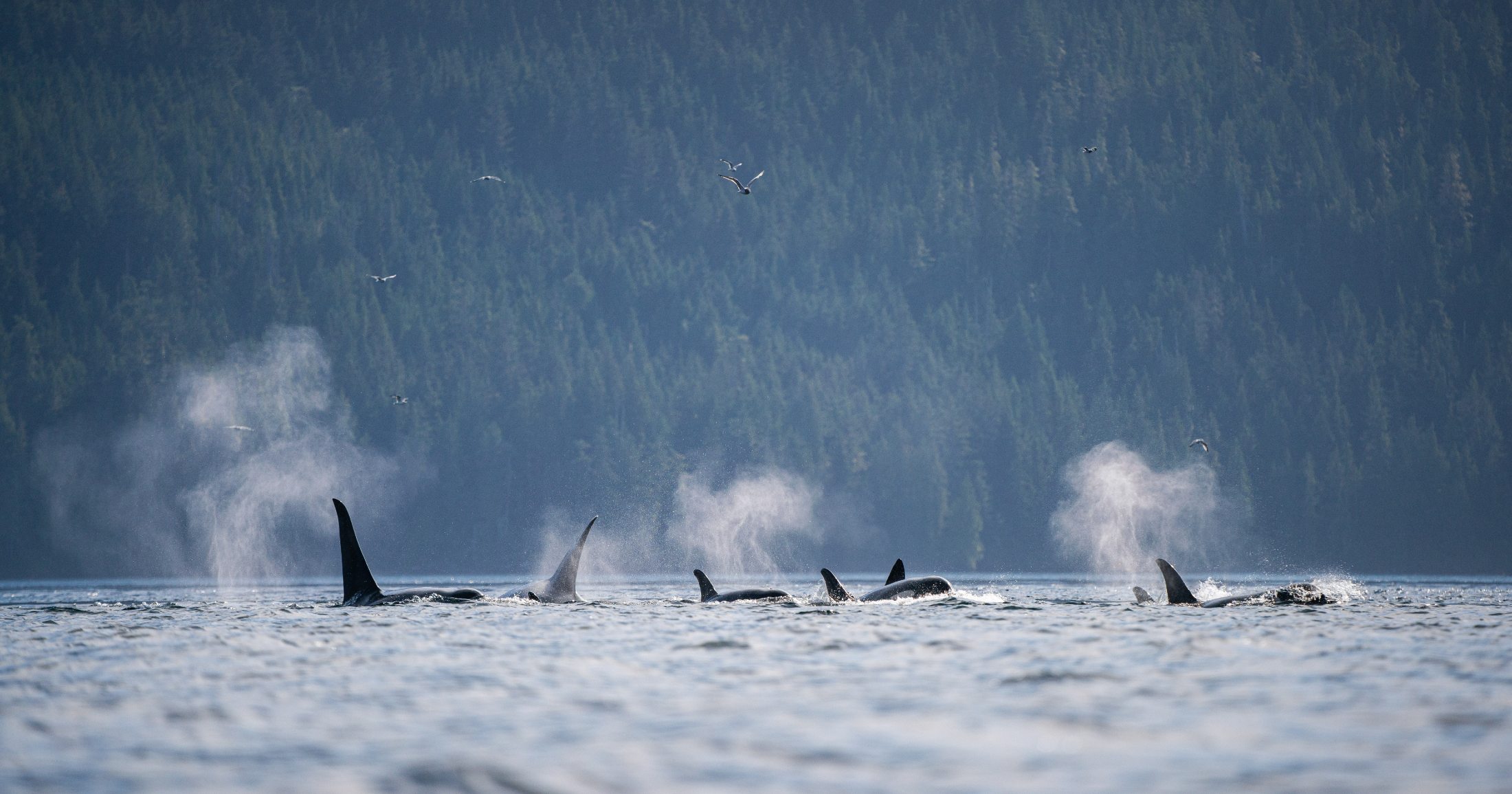
Listening to protect
Our ongoing projects allow us to hear cetacean vocalizations in…
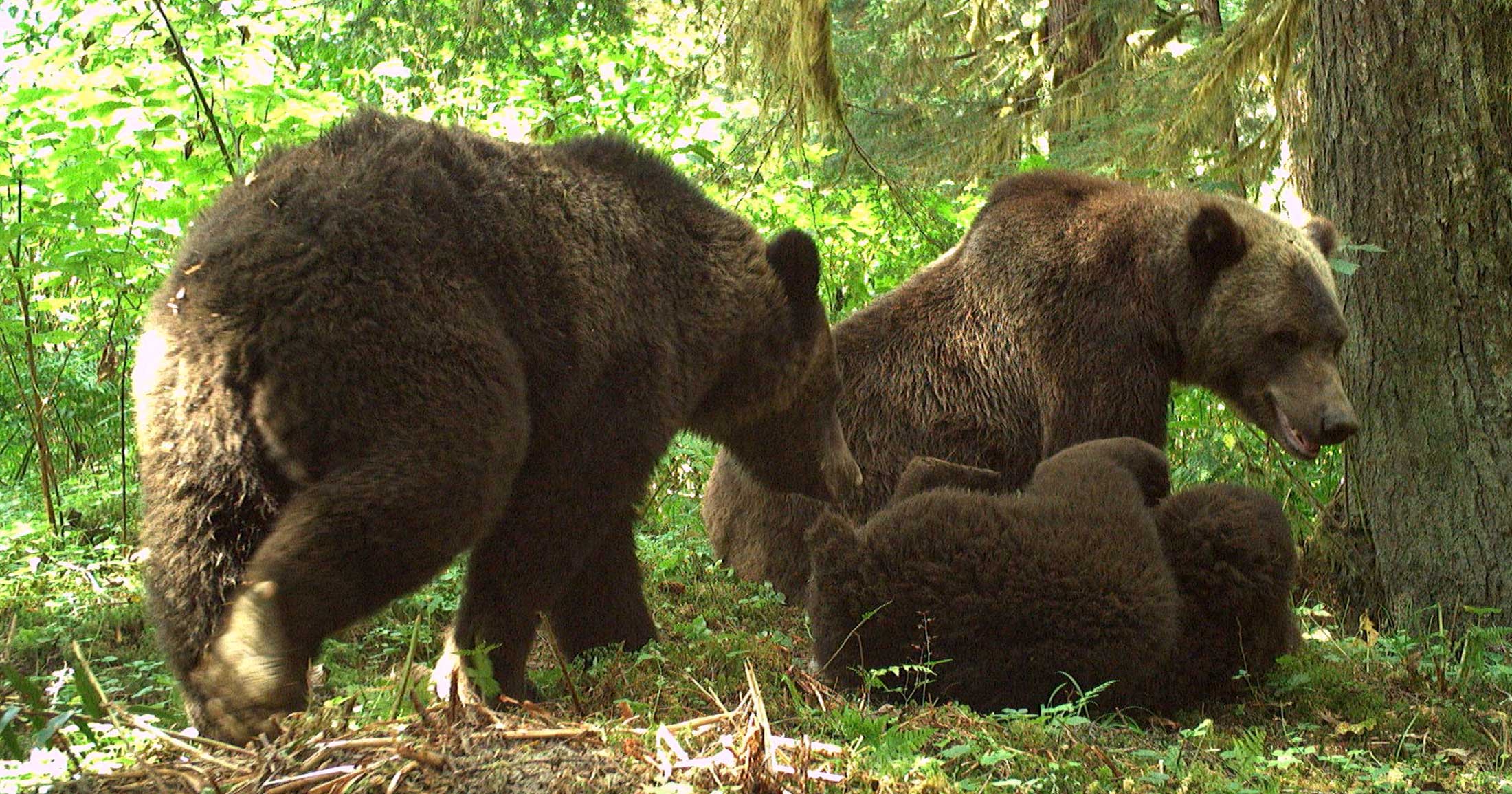
“Smile, you’re on a wildlife camera!” on Haíɫzaqv territory
Working to better understand how variables such as forest age…

Chinook salmon are getting smaller – and one explanation is uncomfortably familiar
Honey, I shrunk the Chinook.
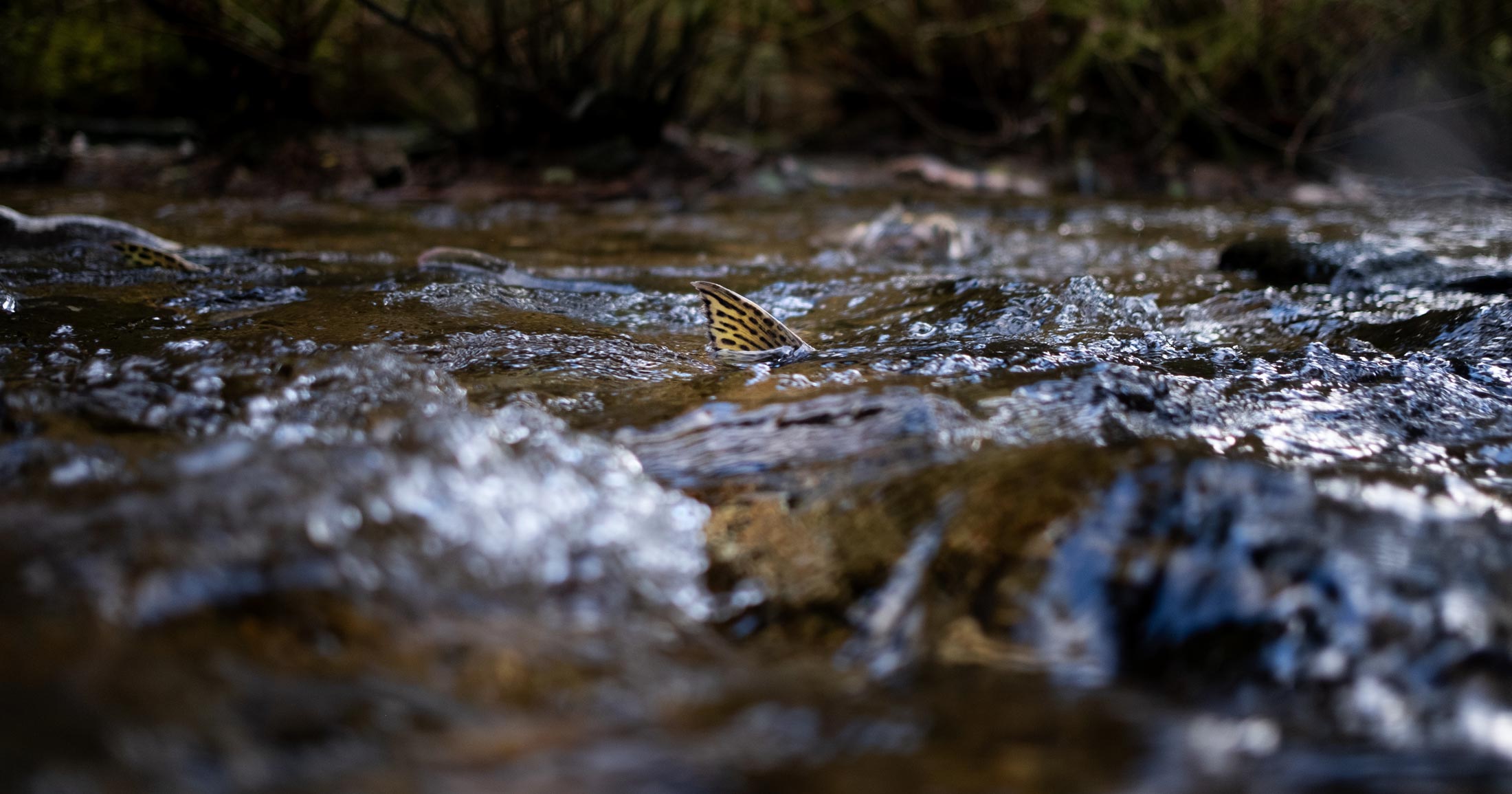
The need for renewed federal commitment to The Wild Salmon Policy
New paper evaluates both the enduring relevance of the Wild…
30 years in the Great Bear Rainforest
How Haíɫzaqv principles and ongoing research will guide our future.
Canada’s Policy for the Conservation of Wild Pacific Salmon
A framework for safeguarding salmon diversity and resilience.