A wave of community support for hosting coastal listening stations
Let’s talk about our hydrophone stations and how you can help.


What's new // Cetacean Conservation Research Program
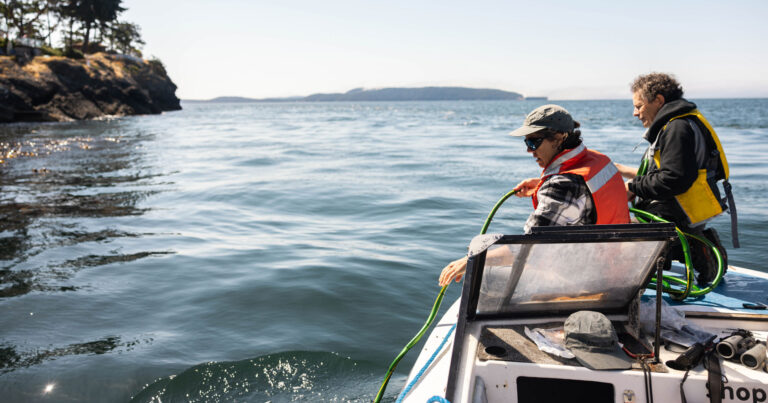
Let’s talk about our hydrophone stations and how you can help.
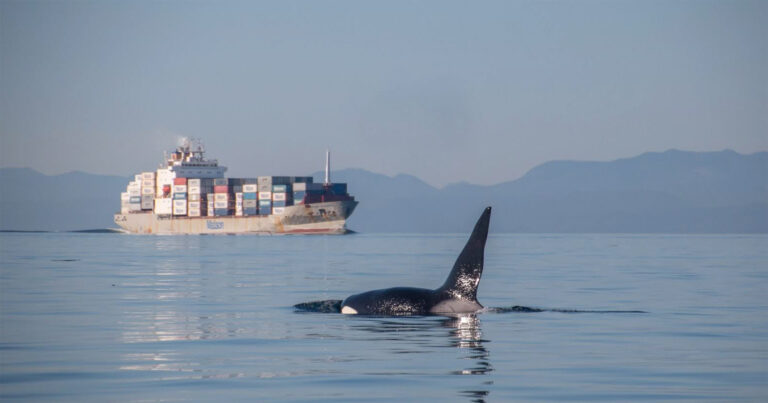
Raincoast has hosted the NoiseTracker initiative since 2023. This year, we have shifted our focus from building a coast-wide noise monitoring platform to a more localized underwater noise research and analysis program. Through NoiseTracker, we aim to provide governments and decision-makers with science-based recommendations that support healthy marine ecosystems.
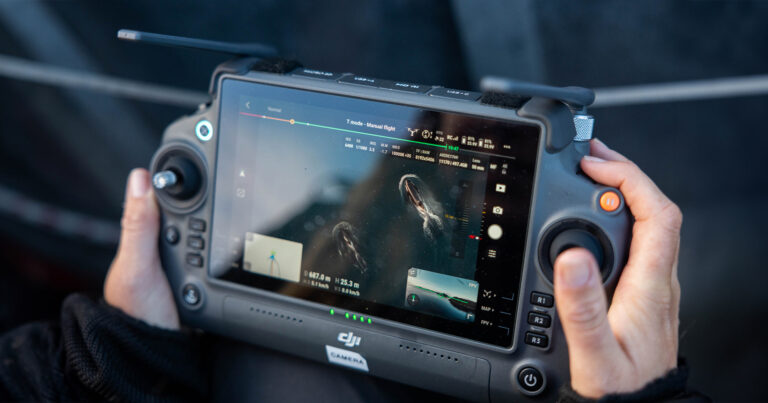
Raincoast uses drones to study killer whale health…and we always put photography ethics, including the well-being of the whales, first.
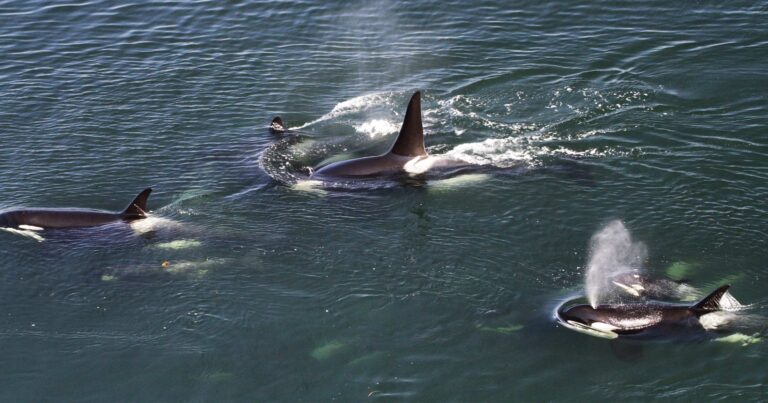
With intensifying threats, emergency protections for endangered killer whales are necessary.
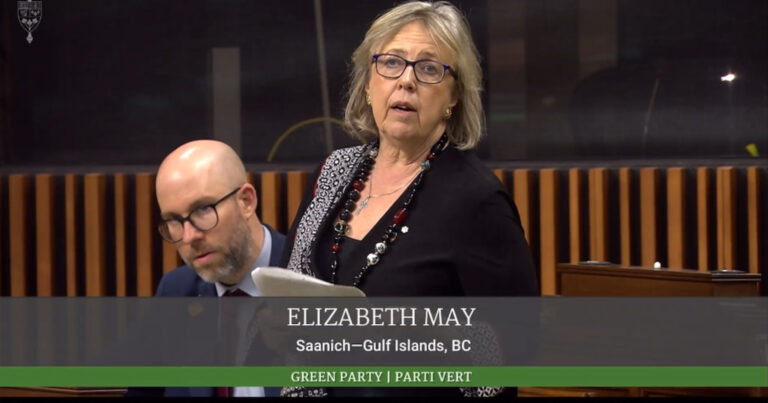
The petition seeks this buffer to match protections provided by Washington State that are coming into effect in January, 2025.
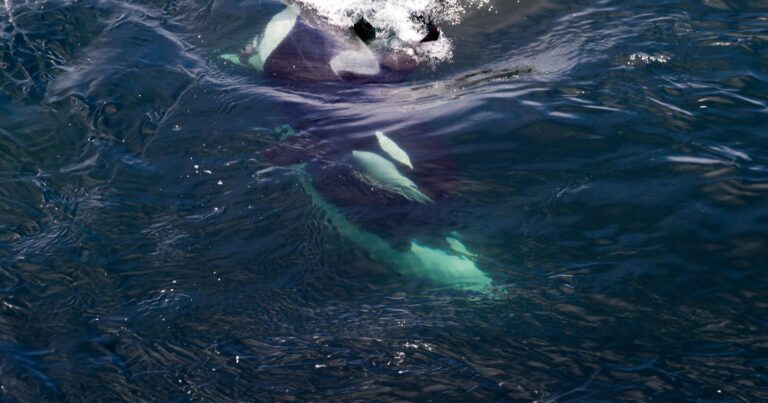
Tell your MP and responsible ministers to enact a mandatory 1,000 metre vessel buffer for endangered Southern Resident killer whales.
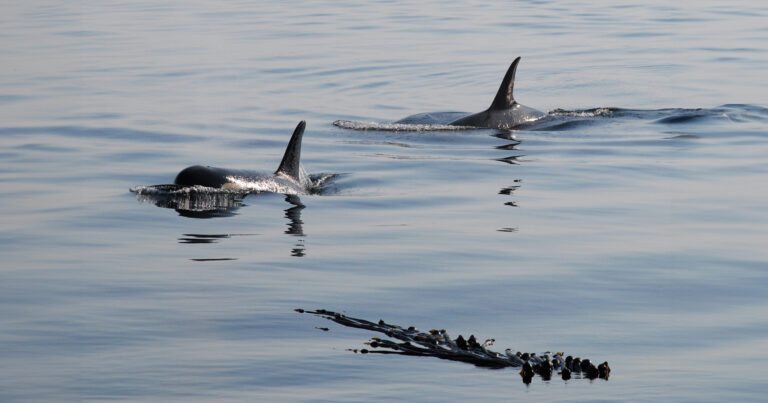
Examining the research that compares salmon abundance to Southern Resident killer whale survival and reproduction.
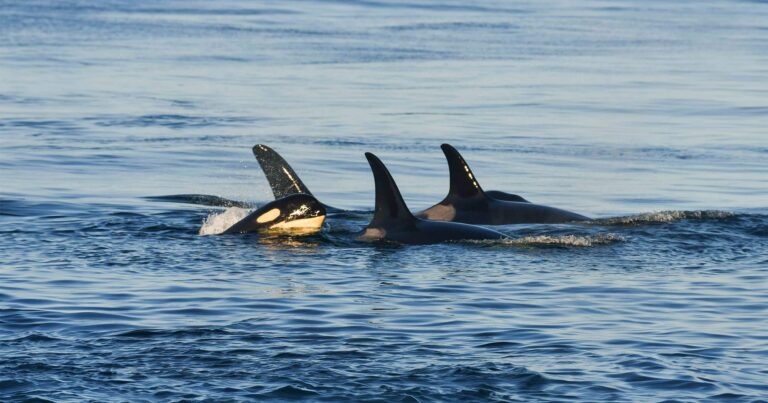
The study reveals more action is needed to save endangered Southern Residents.

Erin recently joined the Raincoast’s Cetacean team as a postdoctoral fellow to research humpback whales through her project “Singing to be heard.”
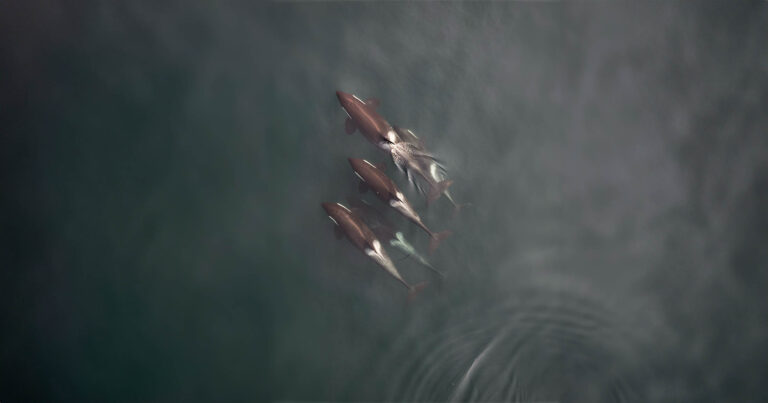
This federal survey will take around 20 minutes.
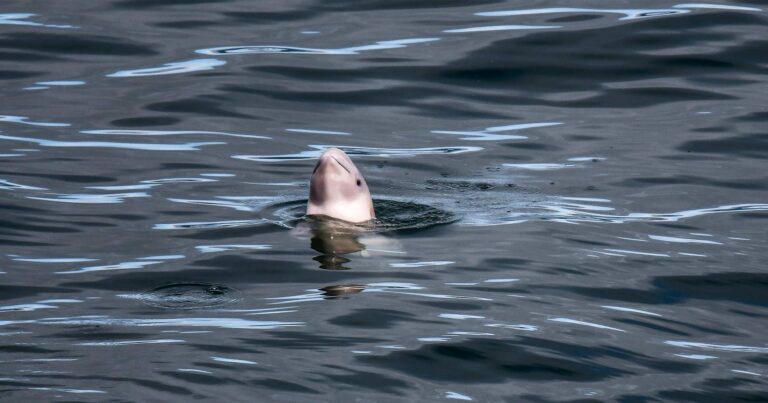
A new study identifies variation in the structure of contact calls among four Canadian beluga populations.
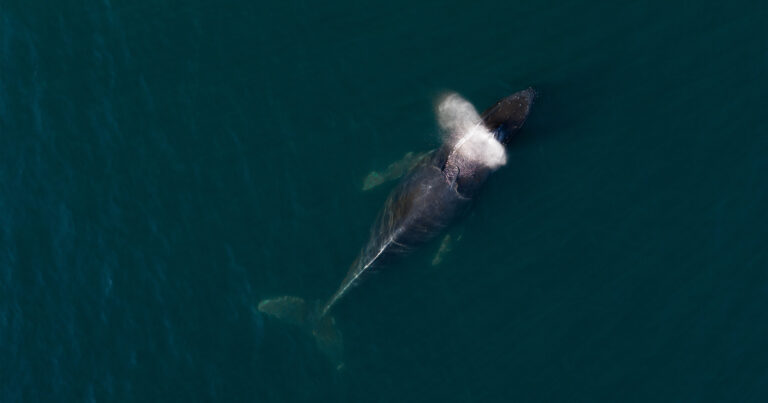
The Cetacean Conservation Research Program studies the biology, ecology, and behavior of whales and dolphins.