Listening to whales: A new lens on killer whale communication
Combining hydrophones, drones, and AI to study killer whale communication dynamics.


What's new // Cetacean Conservation Program
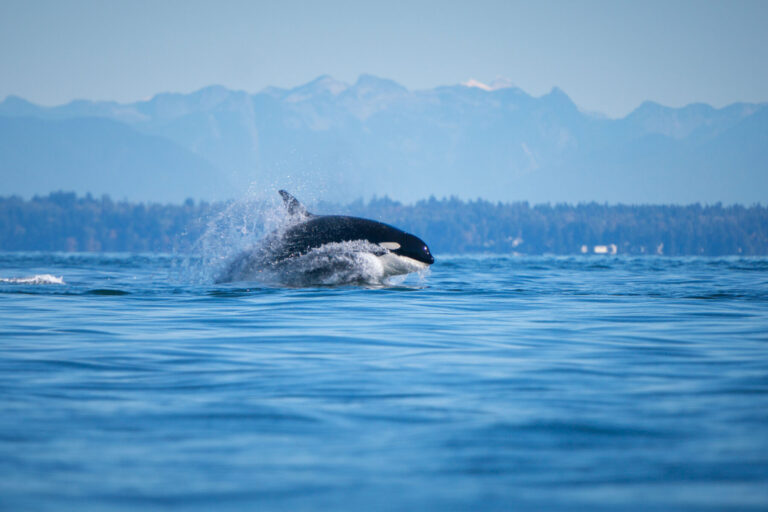
Combining hydrophones, drones, and AI to study killer whale communication dynamics.
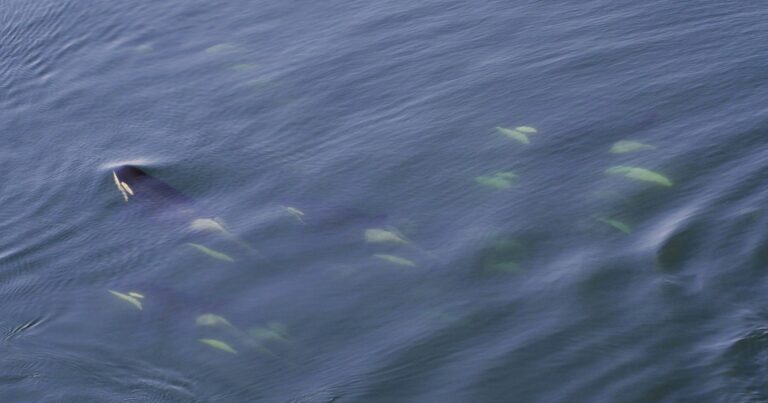
A ‘’whale safe” window can help this endangered population.
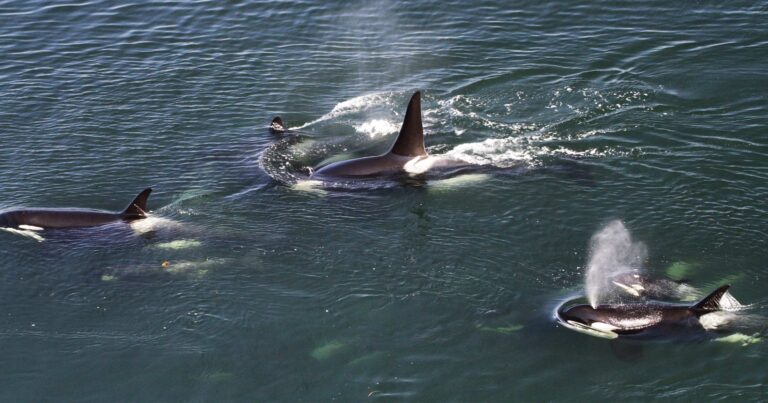
With intensifying threats, emergency protections for endangered killer whales are necessary.
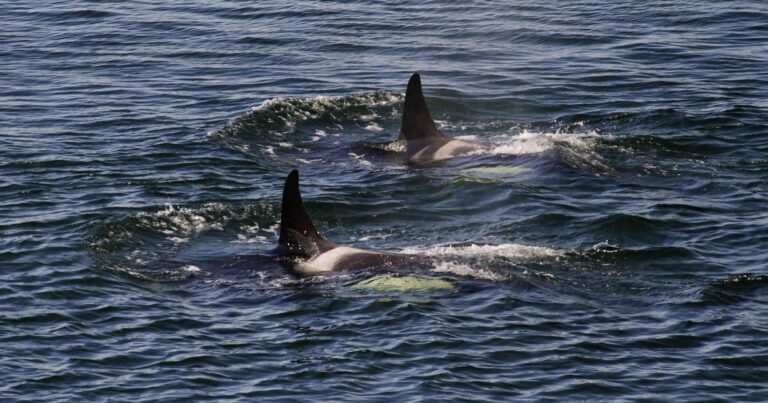
Raincoast scientists comment on the opening of the Trans Mountain pipeline.
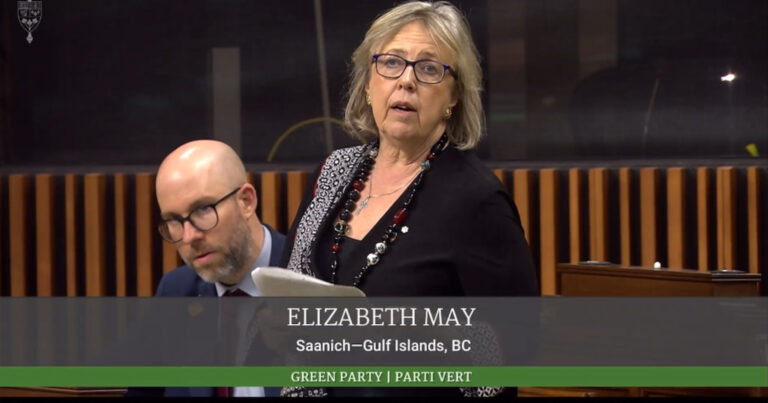
The petition seeks this buffer to match protections provided by Washington State that are coming into effect in January, 2025.
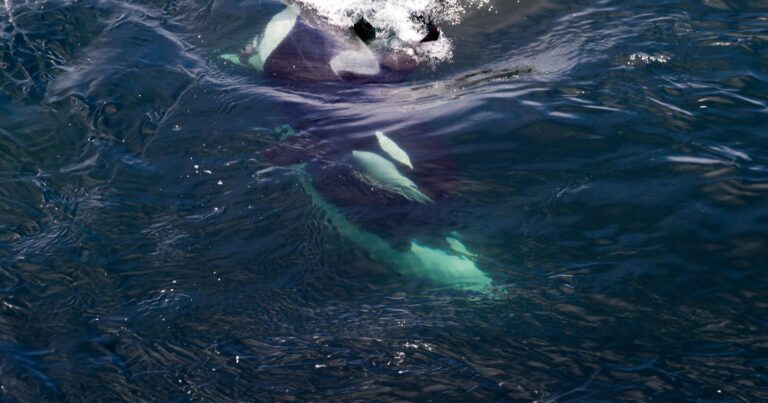
Tell your MP and responsible ministers to enact a mandatory 1,000 metre vessel buffer for endangered Southern Resident killer whales.
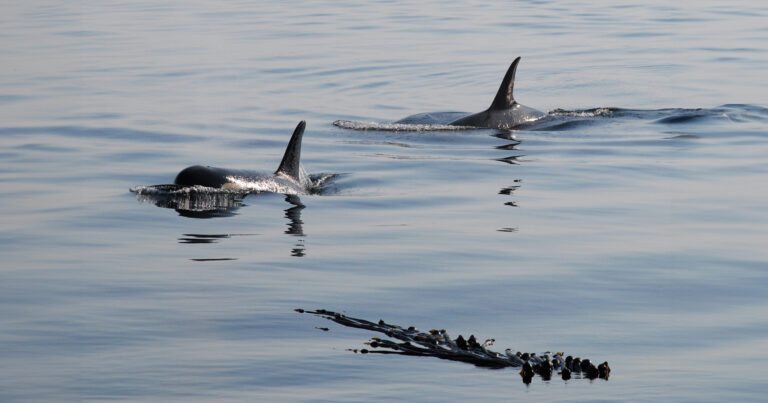
Examining the research that compares salmon abundance to Southern Resident killer whale survival and reproduction.
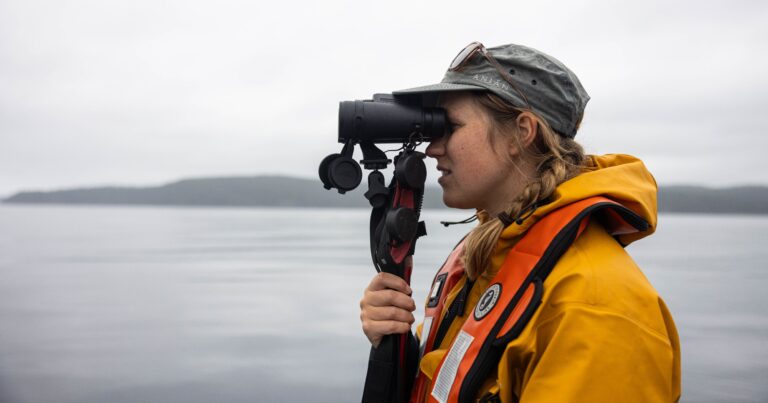
Sharon Kay, graduate student in the Raincoast Applied Conservation Science Lab, shares about her experience in grad school.
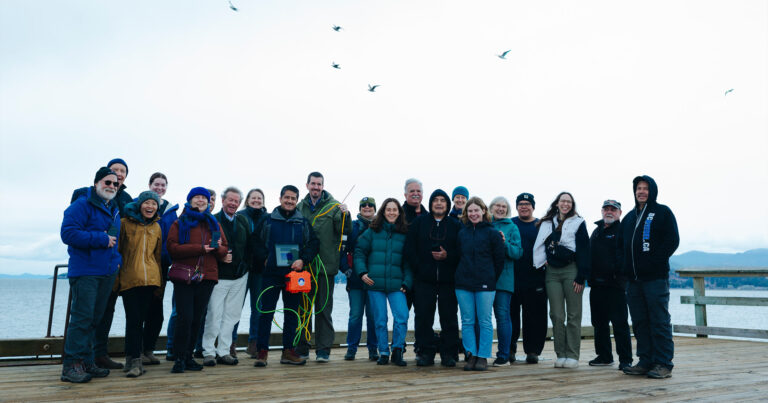
We hosted a learning event on underwater noise.
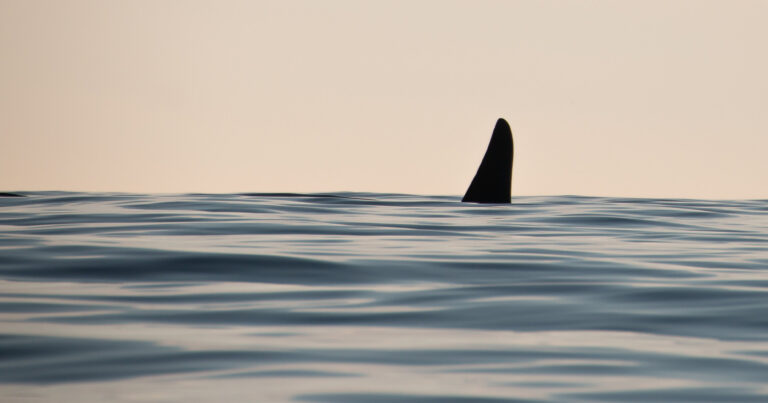
We need to reach 500 signatures by April 21st, 2024 on our House of Commons petition to the Minister of Fisheries and Oceans Canada, Diane Lebouthillier.
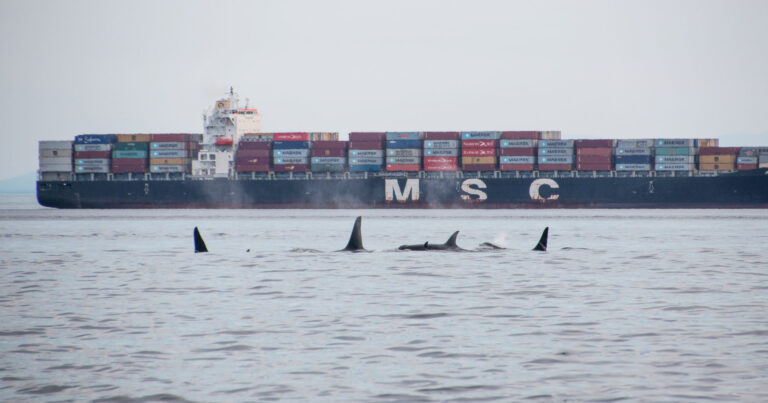
Donate and help us unite hydrophone operators along the pacific coast to increase science-based decision making to reduce noise impacts on marine life, and inform the public about anthropogenic noise.

Erin recently joined the Raincoast’s Cetacean team as a postdoctoral fellow to research humpback whales through her project “Singing to be heard.”