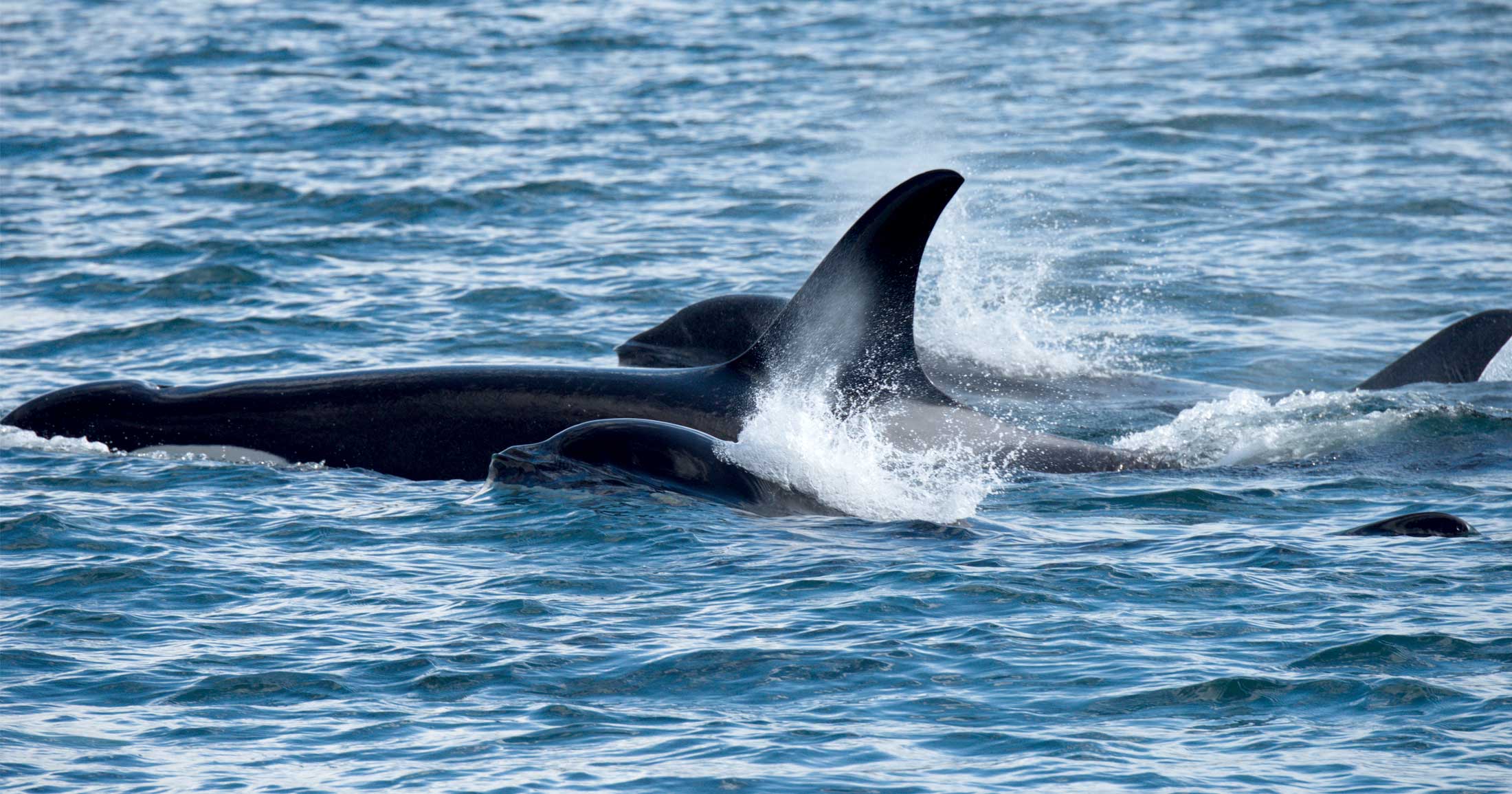
If Southern Resident killer whales are to persist in the Salish Sea decisive steps producing substantive reductions in threats must be taken
Photo taken from land
by Miles Ritter.
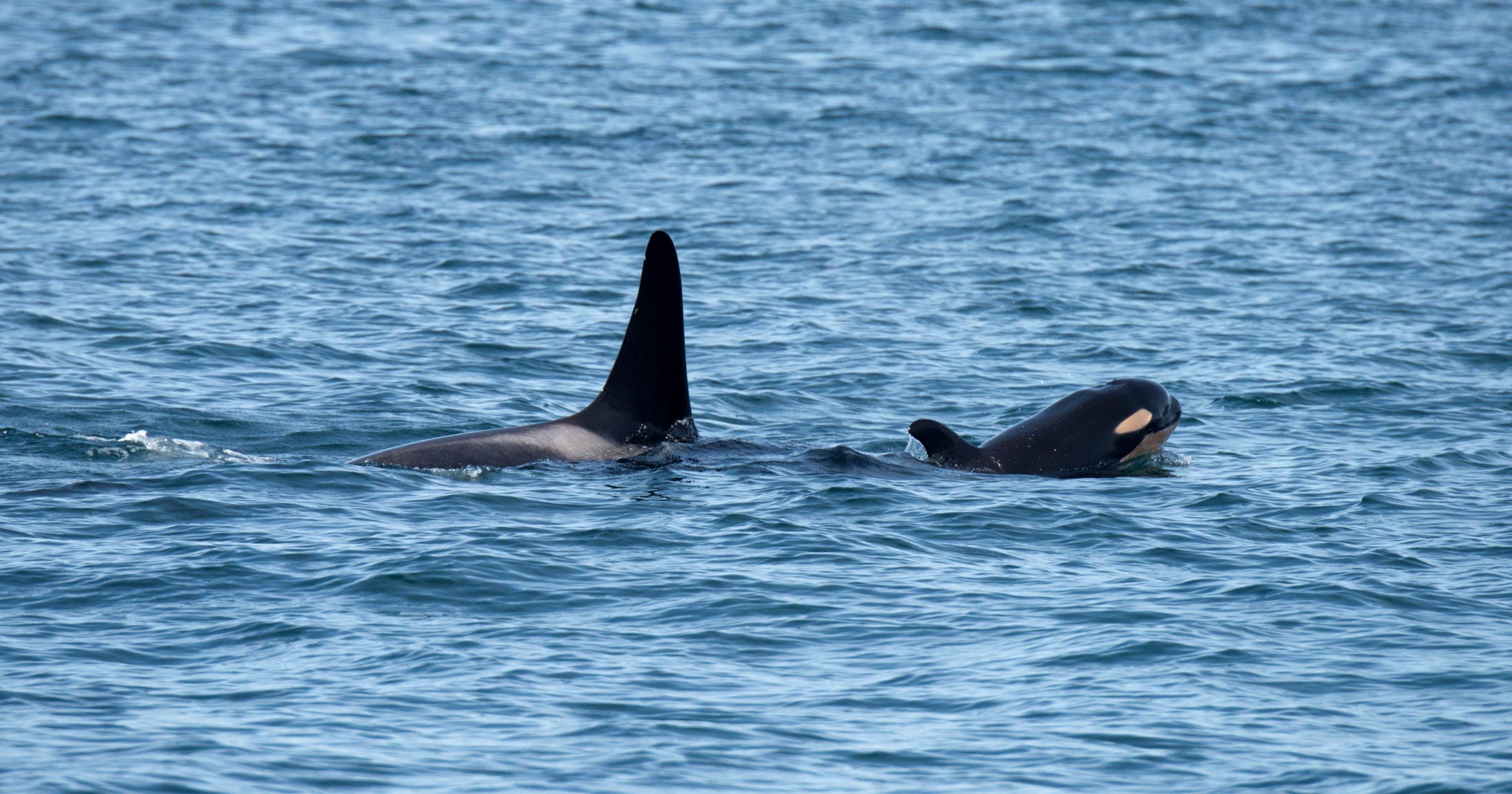
Southern Resident killer whales are critically endangered. Their salmon food supply is in decline and their waters are noisy and polluted. This population of 74 animals (2025 census) has low calf survival and premature deaths of adult whales. The threats that impede their successful feeding – abundance, quality and access to their prey – must be addressed for individuals to survive and the population recovery to occur.
More than 15 years of action by Raincoast
Raincoast has been using science, the courts and public education to further recovery efforts for endangered Southern Resident killer whales for almost 20 years. Read more on our history of legal and scientific action.
Can these endangered whales recover?
Raincoast and our scientific partners have conduced viability assessments to evaluate the conditions under which these whales could recover. Back in 2016, we found that the Southern Residents faced a 20% or greater risk of functional extinction (less than 30 whales) in the next 100 years if their threats aren’t reduced. When we redid this analysis in 2024, we found that their risk of extinction had increased significantly
There is still time to reverse this trajectory, but it is running out.
Requests for an Emergency Order
In 2018 and 2024, Raincoast and our NGO partners led by Ecojustice, requested the federal government use the powers of SARA’s emergency order provisions to enact adequate recovery measures. Such measures would address the abundance of their Chinook salmon prey, boat noise and disturbance that interferes with their successful capture, and the quality of their habitat that contaminates prey.
Both times the federal government issued findings stating these whales were at ”imminent risk of extinction’ and both times, government denied the requests to create emergency measures to help recovery.
Urgent measures requested of the Canadian government in 2024 included:
- Increase the minimum approach distance for vessels near the whales from 400 meters to 1,000 meters.
- Establish a management plan for Chinook salmon fisheries that would trigger fishing closures in key areas if salmon abundance or killer whale body conditions falls below minimum thresholds.
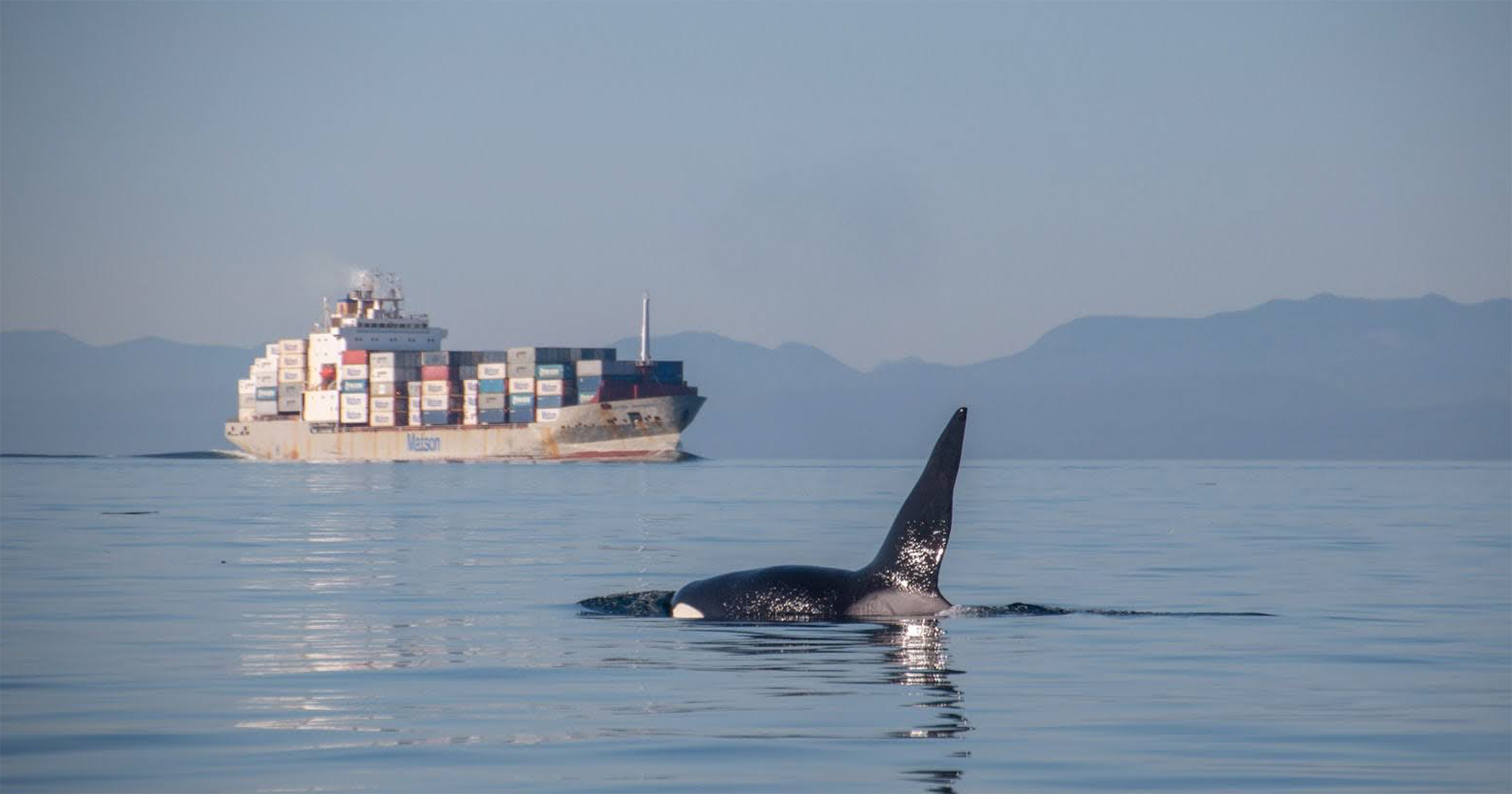
- Set vessel-based noise reduction targets and regional noise targets to make the Salish Sea quieter for the whales.
- Ban the discharge of scrubber wastewater from ships in or near the Southern Residents’ critical habitat.
Science panel recommendations to reverse SRKW extinction trajectory
In July 2025, an independent science panel of 31 experts from Canada, the U.S., and Europe identified 26 actions to initiate recovery. The report was the outcome of a three-day science workshop held in Vancouver in March 2025 that focused on a single question: What will it take to save this population? The report and recommendations can be found here.
Overview recommendations include
Prey:
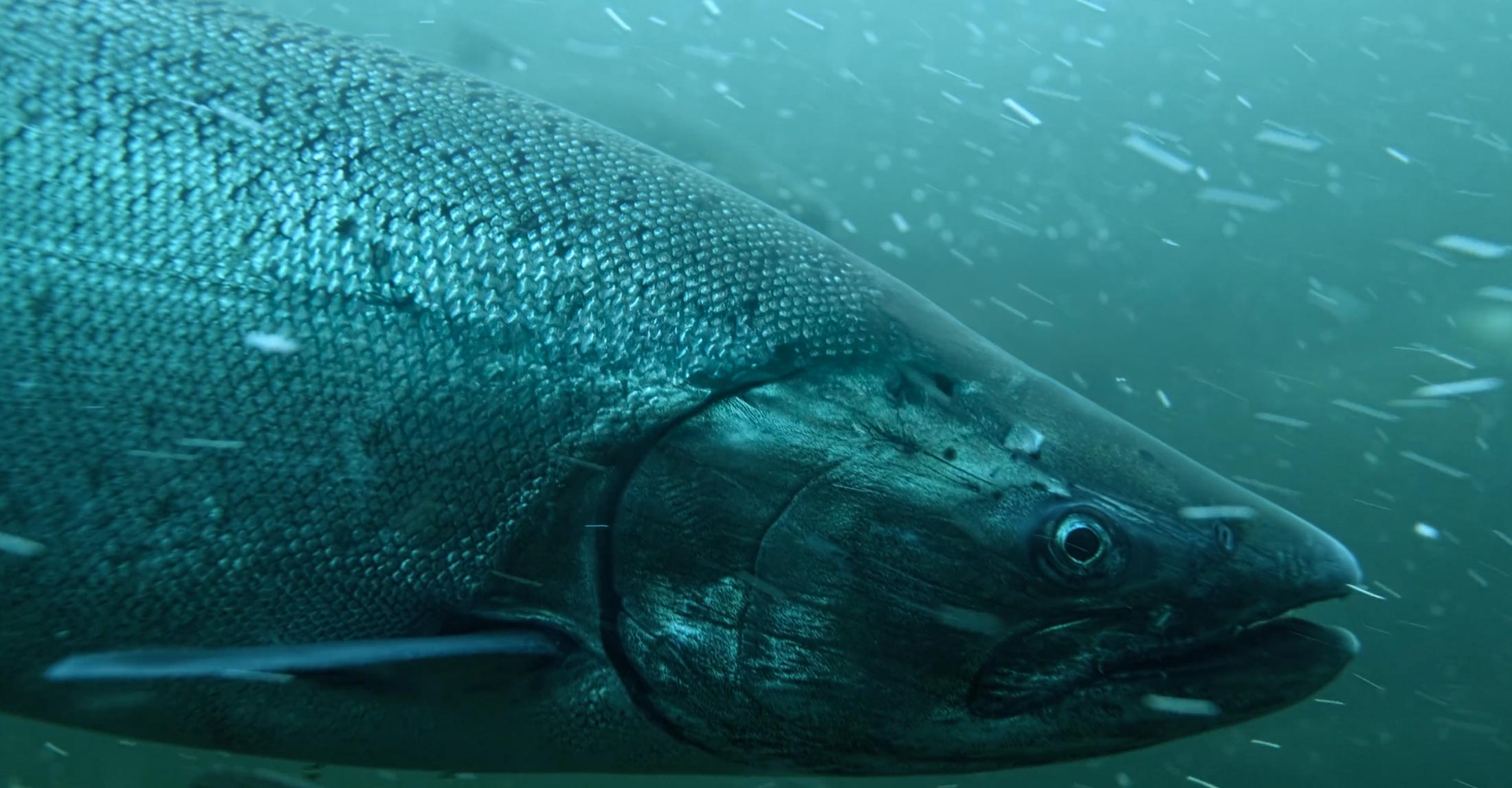
Prioritize access to, and protection of, the early runs of Chinook salmon that return to the Fraser River in the spring and early summer; establish abundance thresholds for later timed (late summer – fall) Chinook salmon that would trigger fishery closures in seasons or years of low returns; promote terminal fisheries to reduce interception of whales’ prey and help recover Chinook size; and emphasize recovery of wild Chinook over those from hatcheries.
Noise:
Finalize and implement vessel noise reduction targets that are biologically relevant to SRKWs; expand ship slowdowns both geographically and seasonally; and set mandatory noise output standards for large commercial vessels.
Contaminants: Accelerate the phase-out of legacy chemicals like PCBs and PBDEs which still contaminate some sites and remain in some uses; strengthen regulations on emerging contaminants such as 6PPD-quinone and PFAS; and regulators should reform their review processes to consider the impacts of these chemicals on long-lived marine species like the SRKW.
The report is intended as a path forward for governments, Indigenous Nations, conservation organizations, industry and the broader public