30 years in the Great Bear Rainforest
How Haíɫzaqv principles and ongoing research will guide our future.

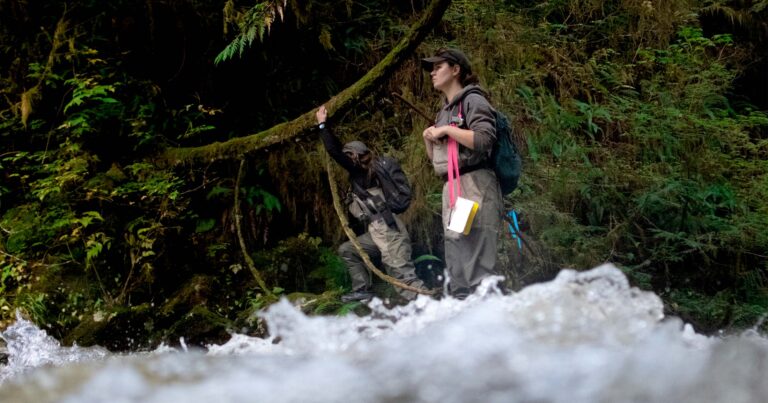
Allison is the Quantitative Salmon Ecologist on Raincoast’s Wild Salmon Program team. She conducts scientific research and applied conservation initiatives to advance ecologically sustainable salmon management in BC and support the recovery of at-risk populations. She completed her Doctorate in Biology at Simon Fraser University in the Earth2Ocean Research Group. Her research examines the role of nutrients from spawning Pacific salmon in terrestrial ecosystems, and she is passionate about coastal wildflowers and their pollinators. As a part of her doctoral work she spent several years living and working in Haíɫzaqv Territory in the heart of the Great Bear Rainforest, boating to salmon watersheds and whale watching on the way to work. More about Allison.
How Haíɫzaqv principles and ongoing research will guide our future.
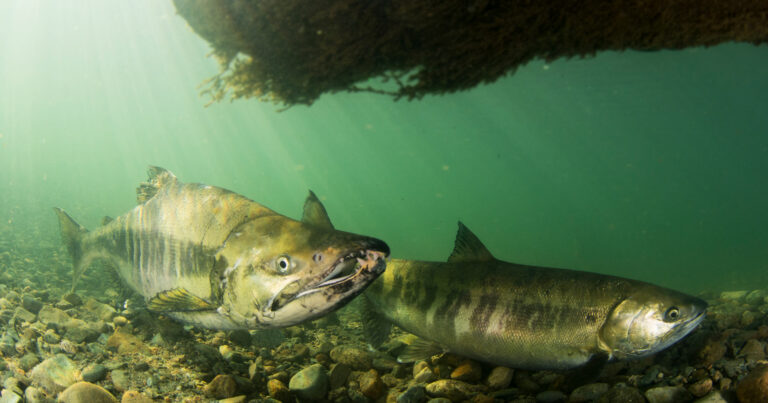
A framework for safeguarding salmon diversity and resilience.
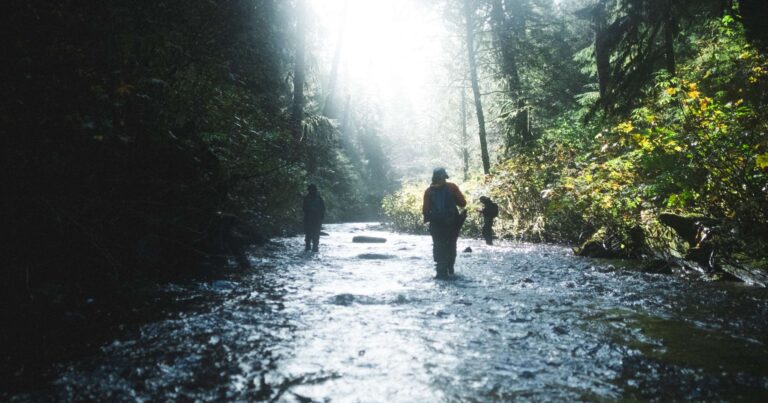
A coalition of 35 experts from 26 organizations has issued an open letter to push for urgent action to restore Pacific salmon escapement monitoring.

A recent study of bird communities at Yáláƛi (Goose Island Archipelago) examines how bird communities have changed since 1948, and uses Heiltsuk Knowledge to figure out why.
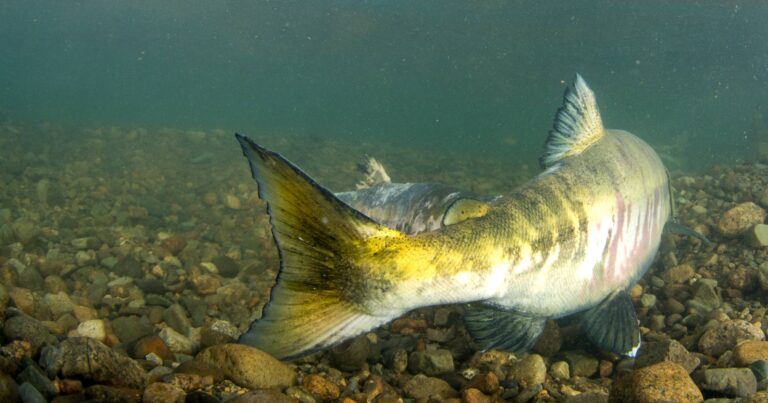
Raincoast submits our annual feedback to the Department of Fisheries and Oceans on salmon management.
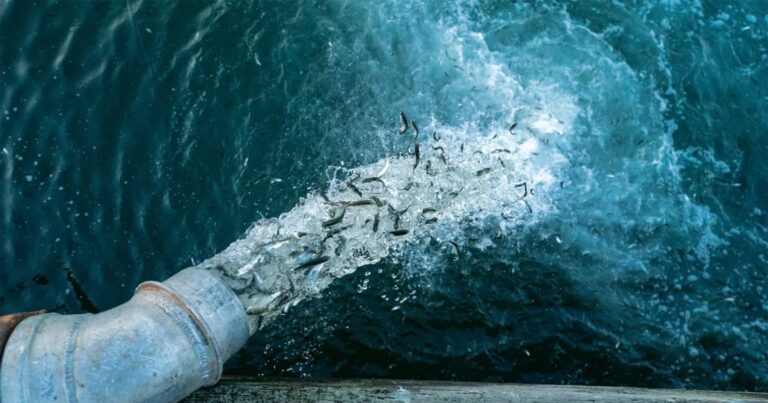
Raincoast argues that the Puget Sound hatchery program does little to solve the prey problem for Southern Residents.

In fisheries management, each population has what’s called a “maximum sustainable yield.”
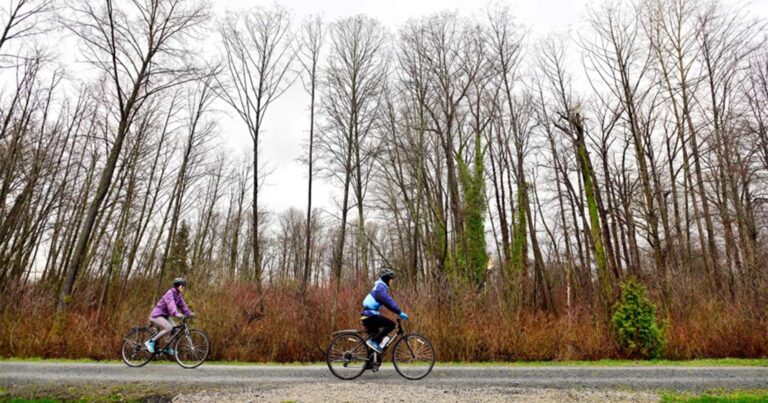
The battle over the location of Burnaby’s Green Recycling and Organics (GRO) facility has been framed as a choice between climate progress and habitat preservation, when in fact its ability to advance climate progress is weak at best.

Newly published research from Simon Fraser University shows that salmon and marine plants increase both growth and reproduction in terrestrial plants.