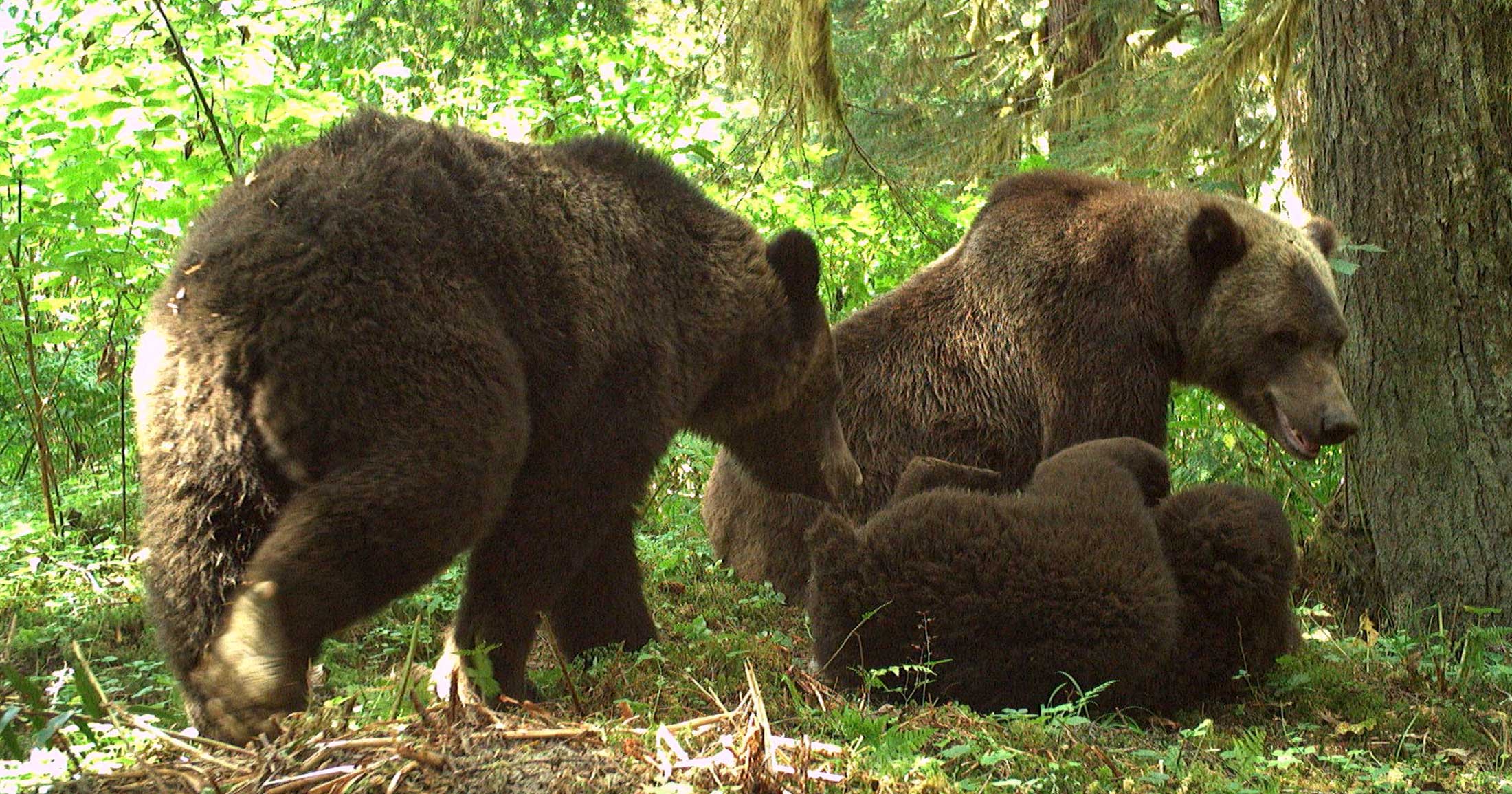
“Smile, you’re on a wildlife camera!” on Haíɫzaqv territory
Working to better understand how variables such as forest age and salmon availability may influence species interactions with both the landscape and one another.
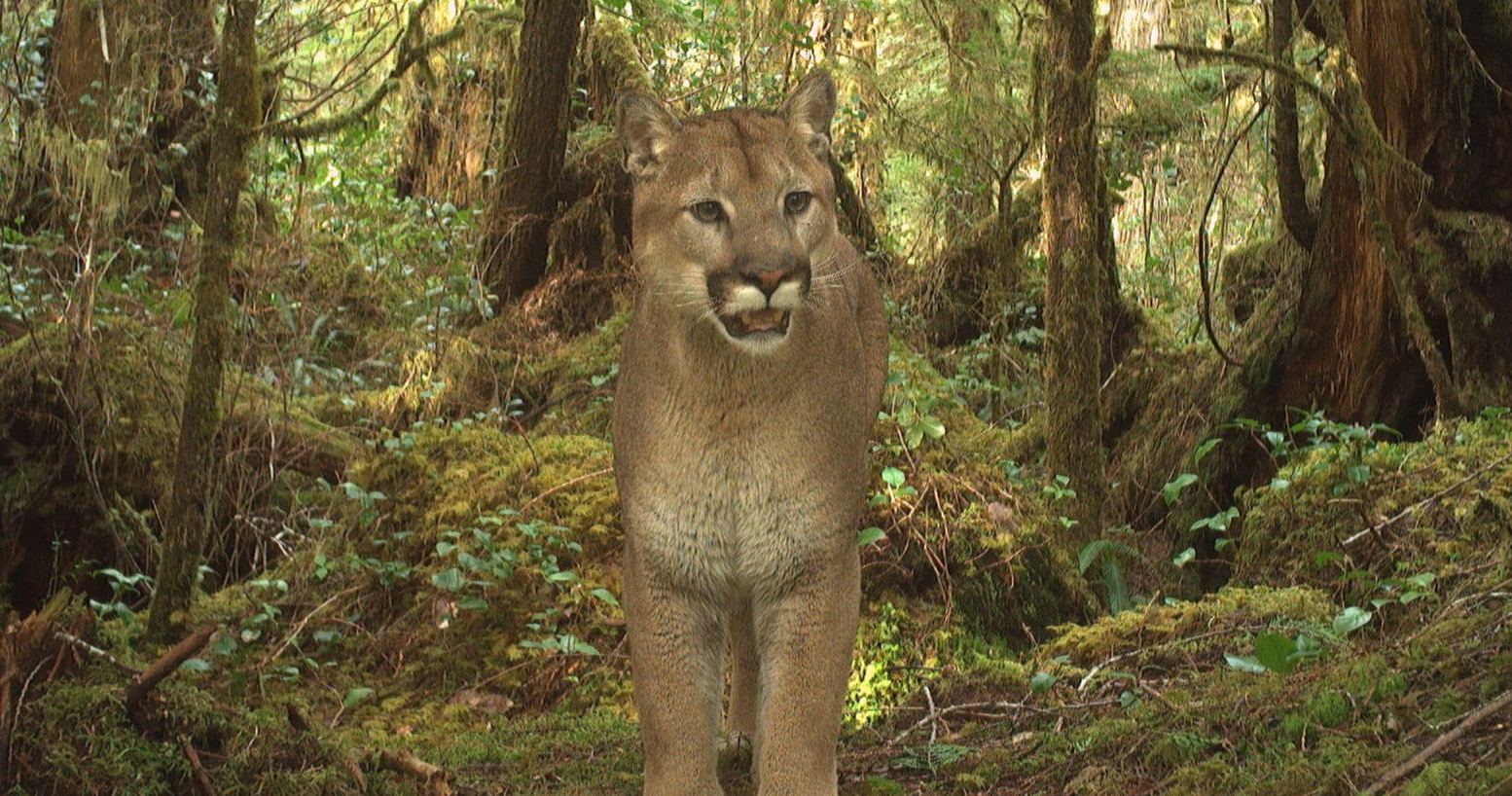
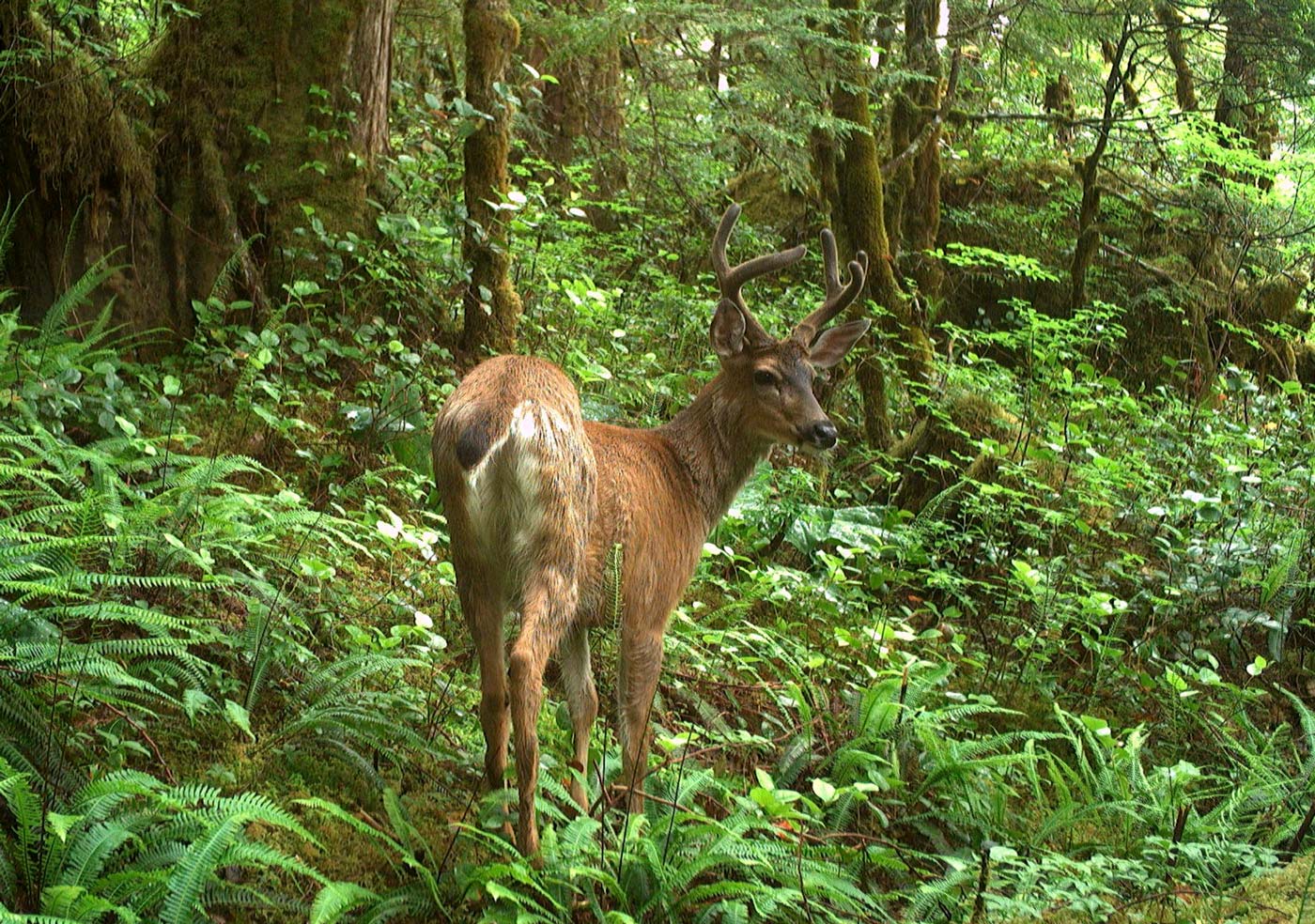
In 2023, in partnership with the Heiltsuk Integrated Resource Management Department (HIRMD) and Raincoast Conservation Foundation, the Raincoast Applied Conservation Science Lab established a network of wildlife cameras over 4000 km2 in Haíɫzaqv (Heiltsuk) Territory. This past summer marked the second year of data collection, providing tens of thousands of additional images that help us understand coastal wildlife and their forest habitat.
For most, the arrival of summer means vacation. But for graduate students, it can only mean one thing (if you’re lucky). The field season is here.
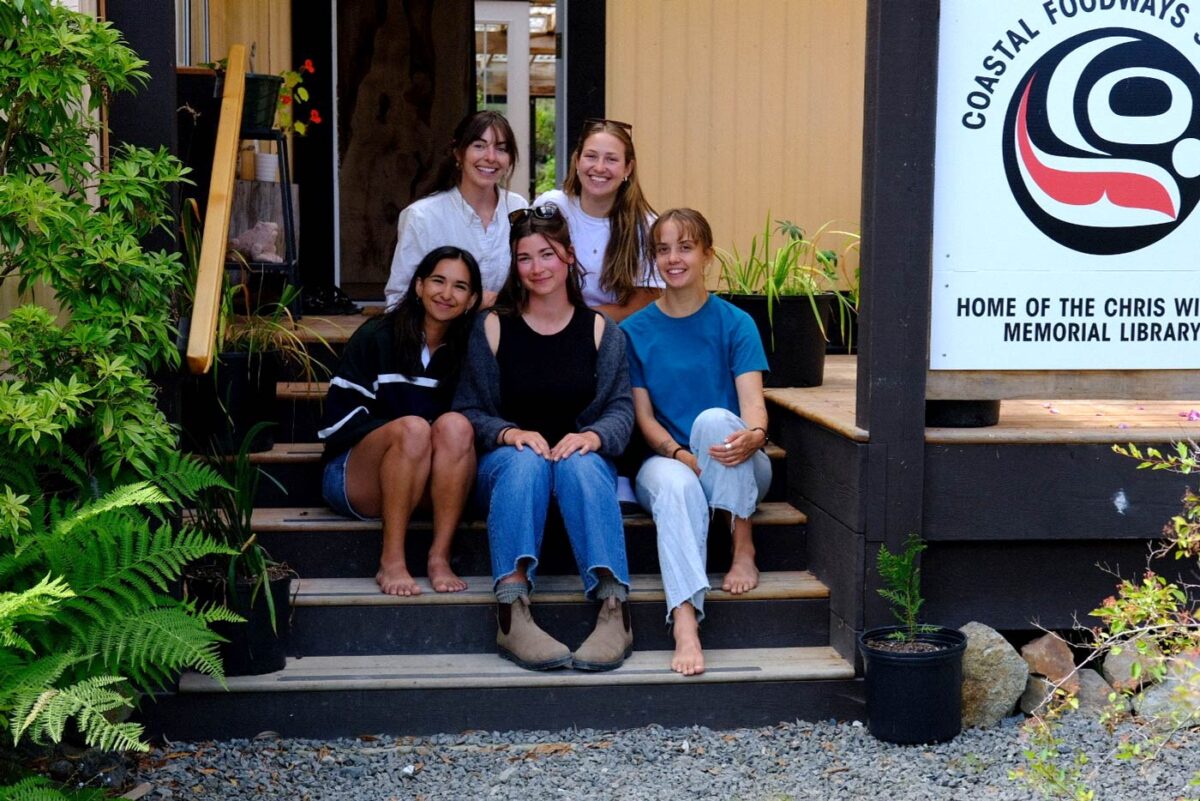
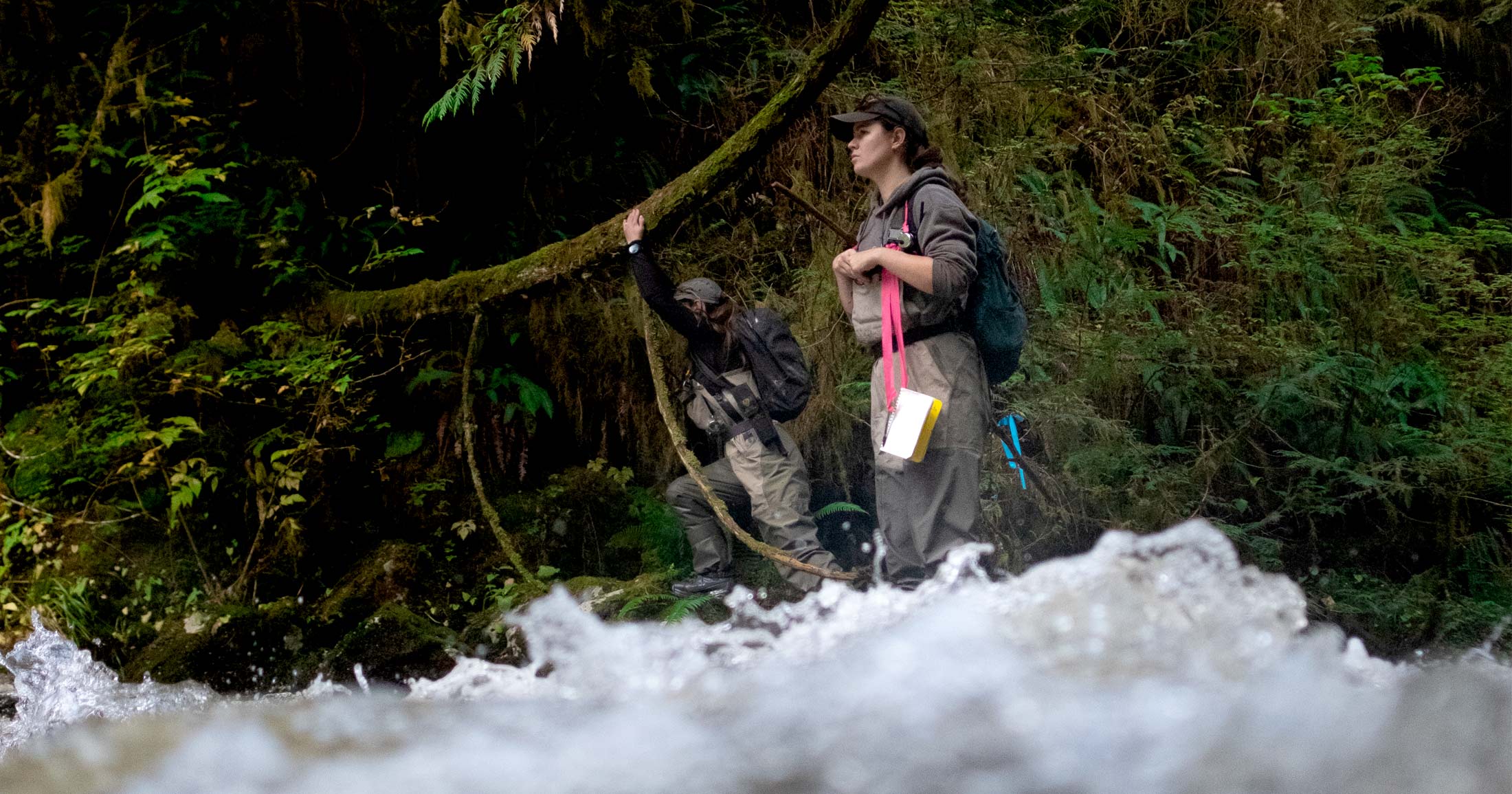
This past July, students and research technicians from the Raincoast Applied Conservation Science Lab packed up the truck once again, heading north to meet our friends in Haíɫzaqv Territory and begin the annual tradition of servicing roughly one hundred wildlife cameras.
With the return of an experienced field crew and a year of data under our belts, setting off for Bella Bella felt a little different this year. The first field season in 2023 was a wild adventure of applying a carefully crafted study design to the reality of dense coastal rainforest, bushwhacking in circles to seek out the best spots to capture wildlife activity. The following year in 2024 marked our first year of data collection, and we were unsure how these cameras would fare after a year in wet conditions (and the potential for being tampered with by curious critters). And yet, we were rewarded with over 100,000 images of the coastal species that call Haíɫzaqv Territory home.
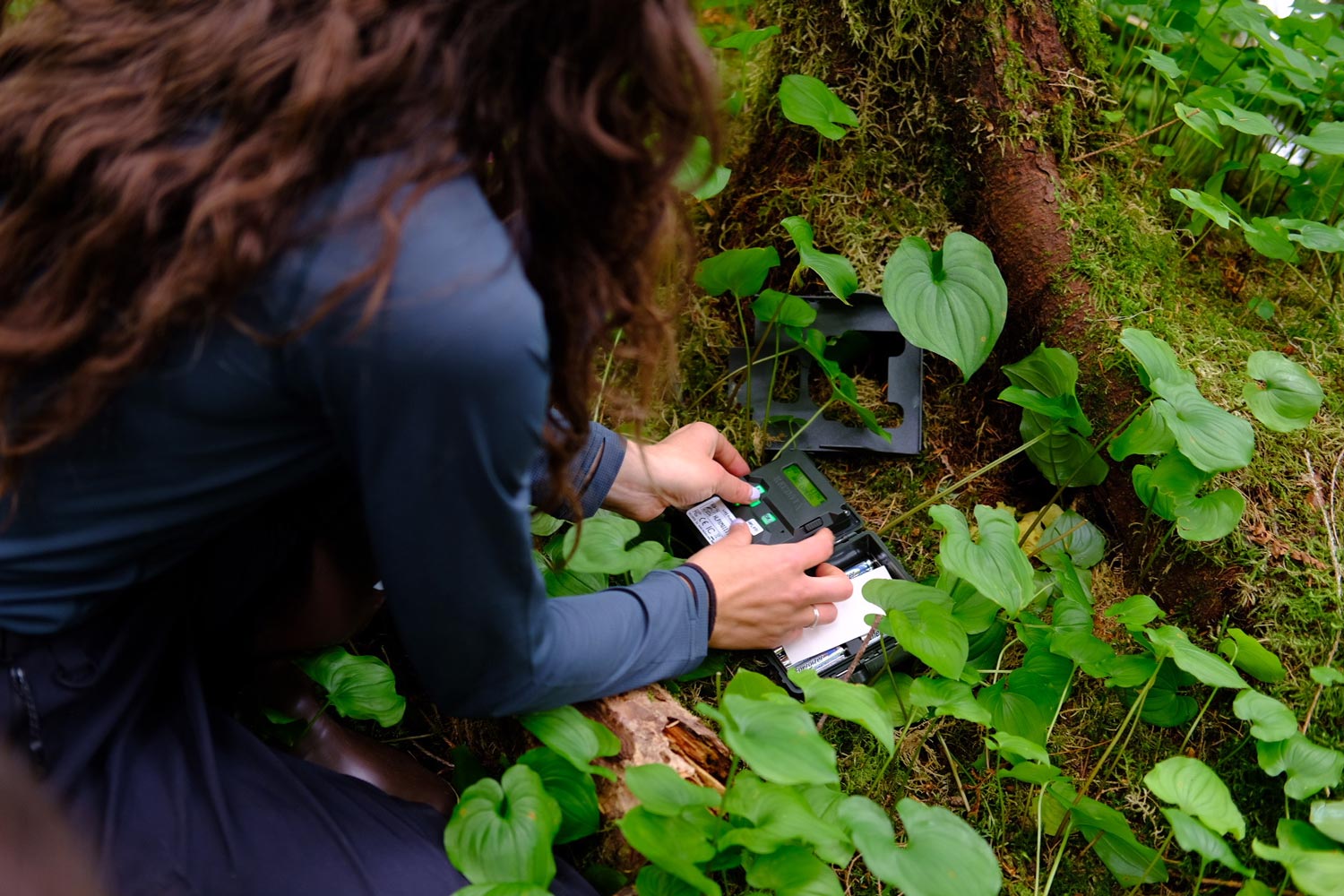
In contrast, this year we headed into the field season with a new level of confidence: we knew how many sites we can fit into a day, the best routes to each of the cameras, and where the helicopter should land to avoid stream crossings.
Despite being well prepared, the central coast will always find new ways to surprise you. The field season started off with lots of summer rain, leading to high water levels, making it difficult to access certain sites.
We found ourselves having to wade across perennial streams or even do a short swim to a few of our camera sites, providing entertainment for our helicopter pilot, Hannah. Our polished schedule was thrown further into disarray when forest service roads we used to access some cameras were being deactivated. A visit to another site became an excavation of sorts, searching under fallen trees to find a crushed camera. Facing these kinds of challenges is a reminder that a dynamic and complex system like the coast will always keep you on your toes. Our new motto: plans will always change.
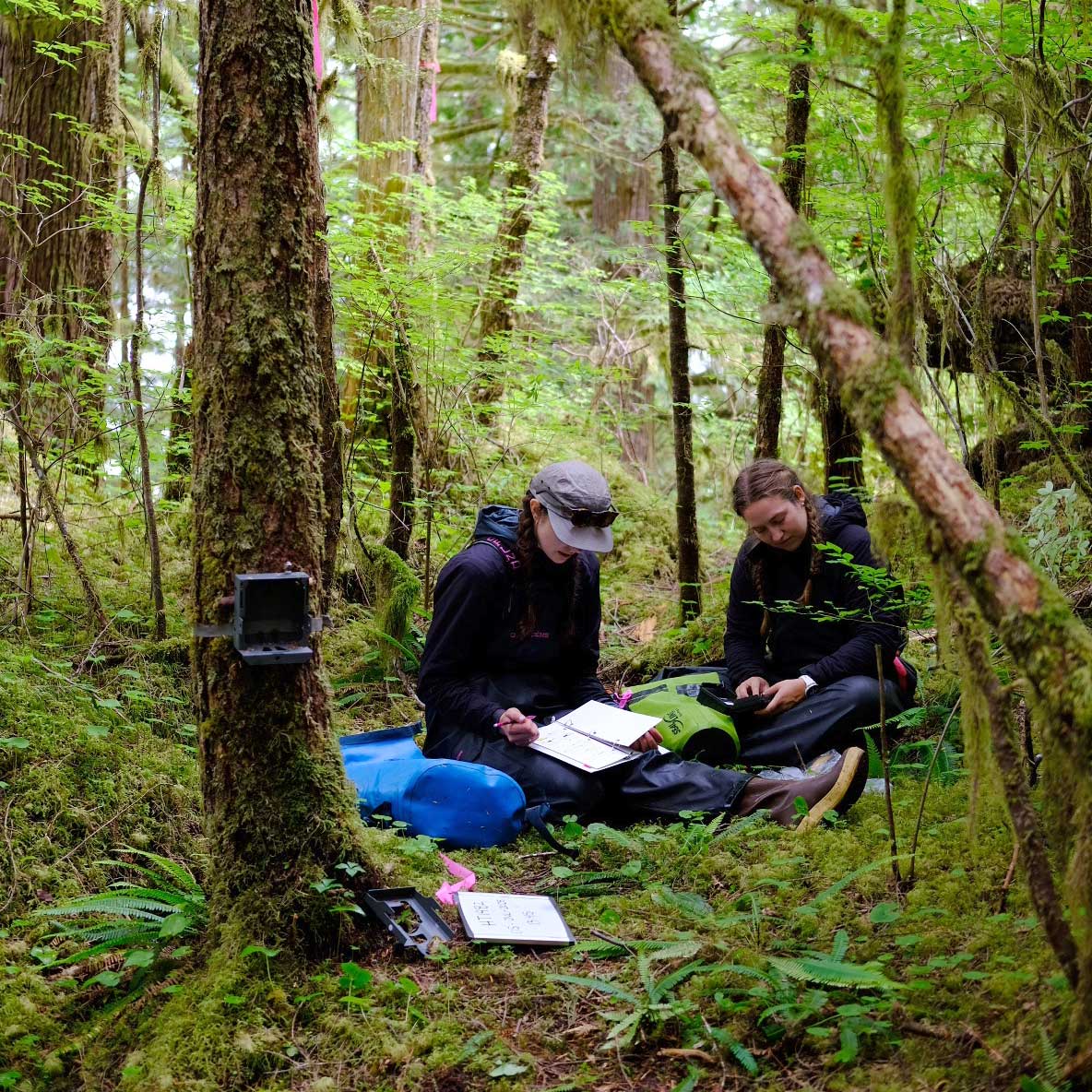
As we returned to the lab this fall with a year’s worth of new images to sift through, we shifted from the fun of data collection into the depths of analysis.
Using these data, we hope to better understand how variables such as forest age and salmon availability may influence species interactions with both the landscape and one another. This research can provide a broader understanding of both the direct and indirect effects of habitat change in coastal temperate rainforests and support evidence-based management by the Haíɫzaqv First Nation.
Thank you
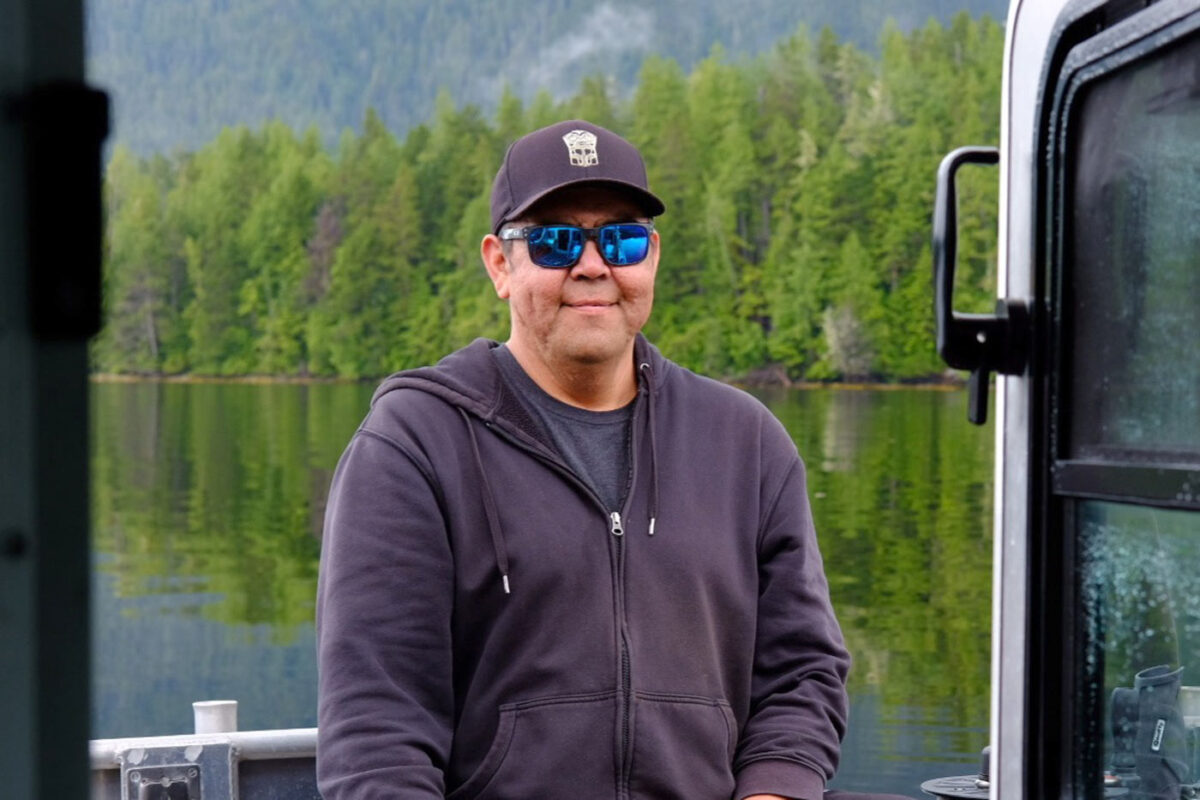
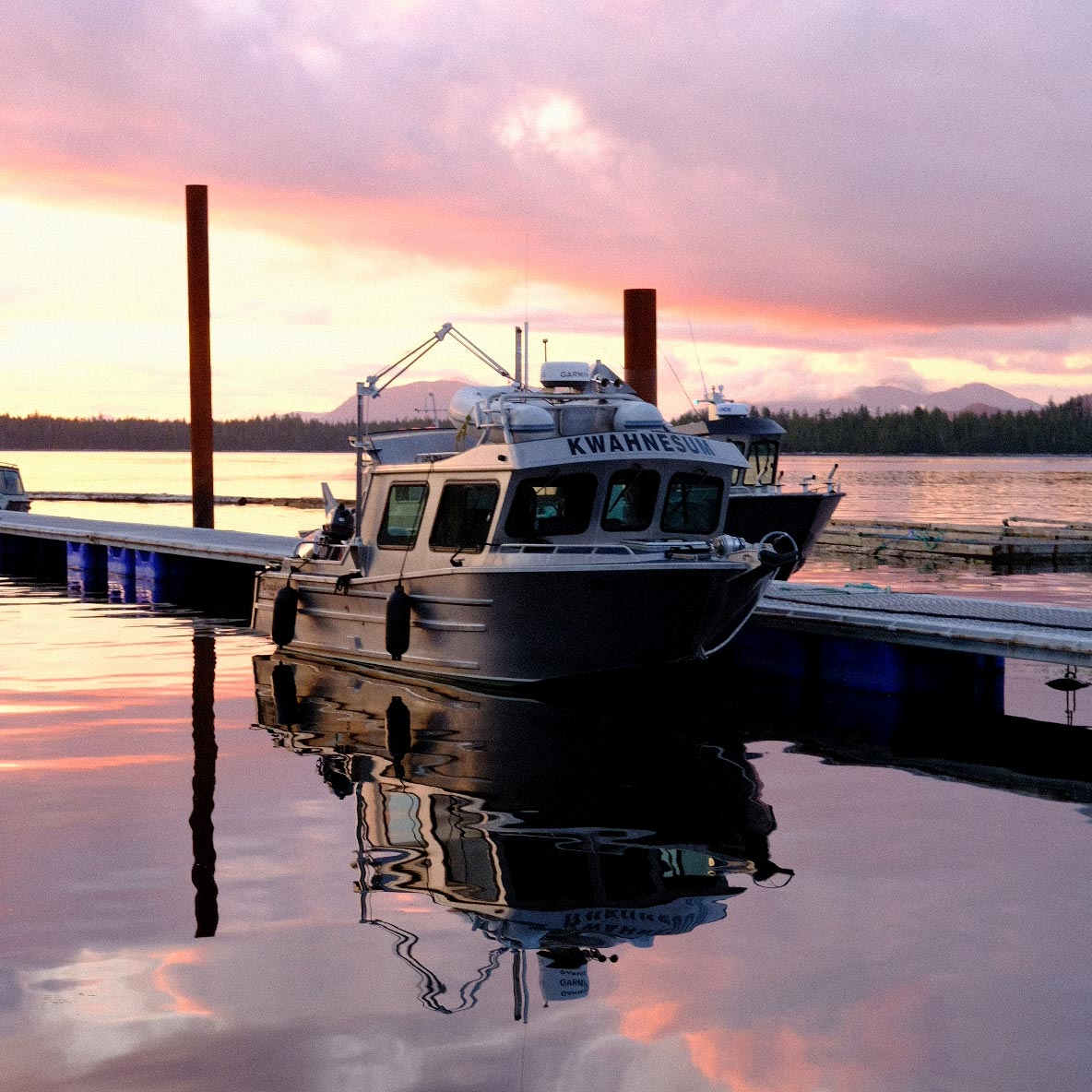
We are grateful to work in Haíɫzaqv Territory alongside community members who support our work in so many ways, from skippering boats, to teaching us to clean fish, to sharing stories about the species we are studying. A big thank you to the many folks and organizations who were involved in the 2025 field season, without whom this work would not be possible: Wally Campbell, Chelsea Walkus, Andi Hutchinson, Amanda Ketch, Abby Tinsley, Hannah Charette, Coastal Foodways and Qqs Project Society.