
Listening to protect
Killer whales live in a world of sound. Their calls maintain family bonds, coordinate movements, and sustain the cultures that define their societies. Yet despite decades of research, we still don’t fully understand the function of many of these calls or which aspects of communication are most vulnerable in an ocean growing louder every year.
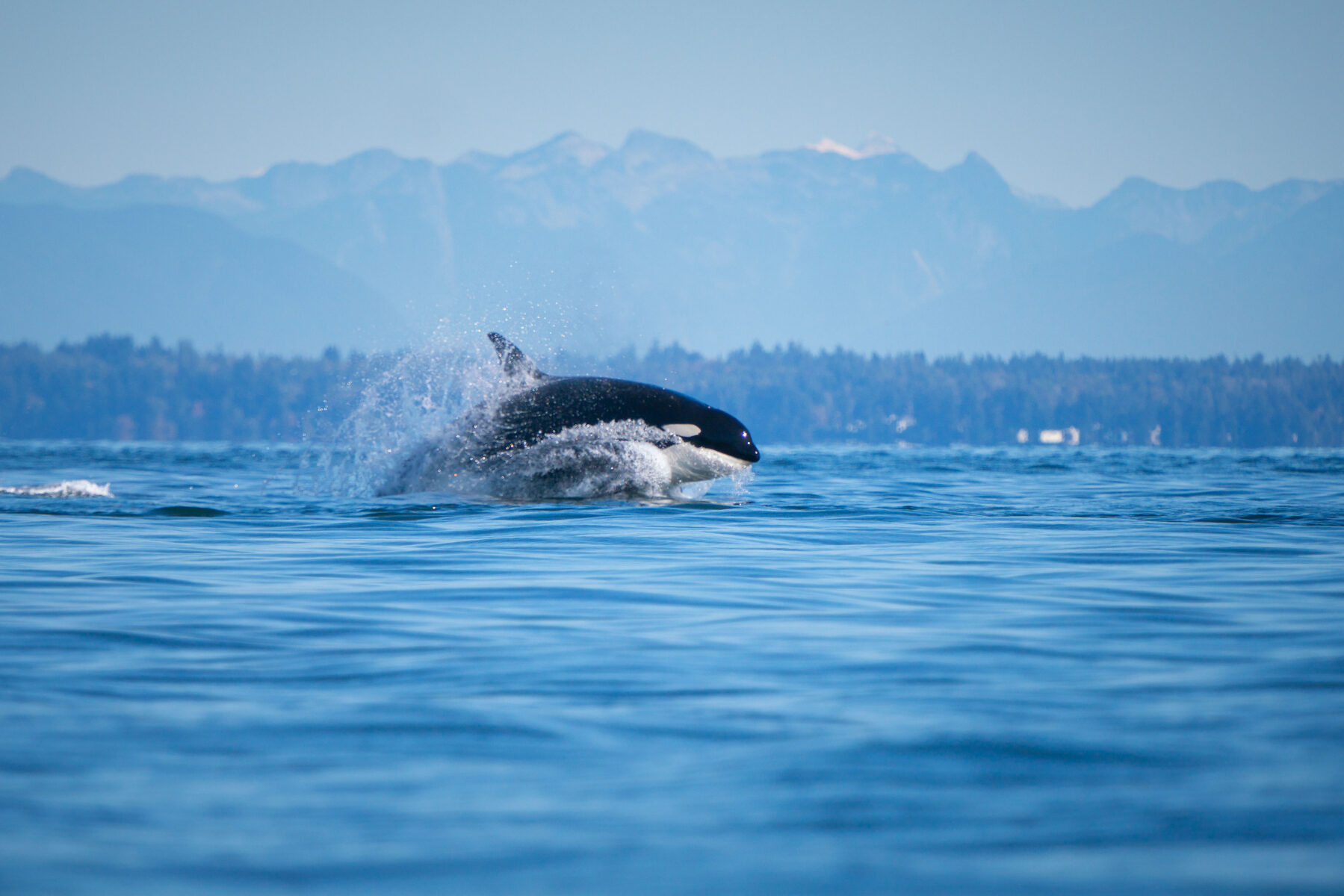
Photo by Raincoast Conservation Foundation, taken under SARA Research License XMMS-2-2022..
Protect killer whales
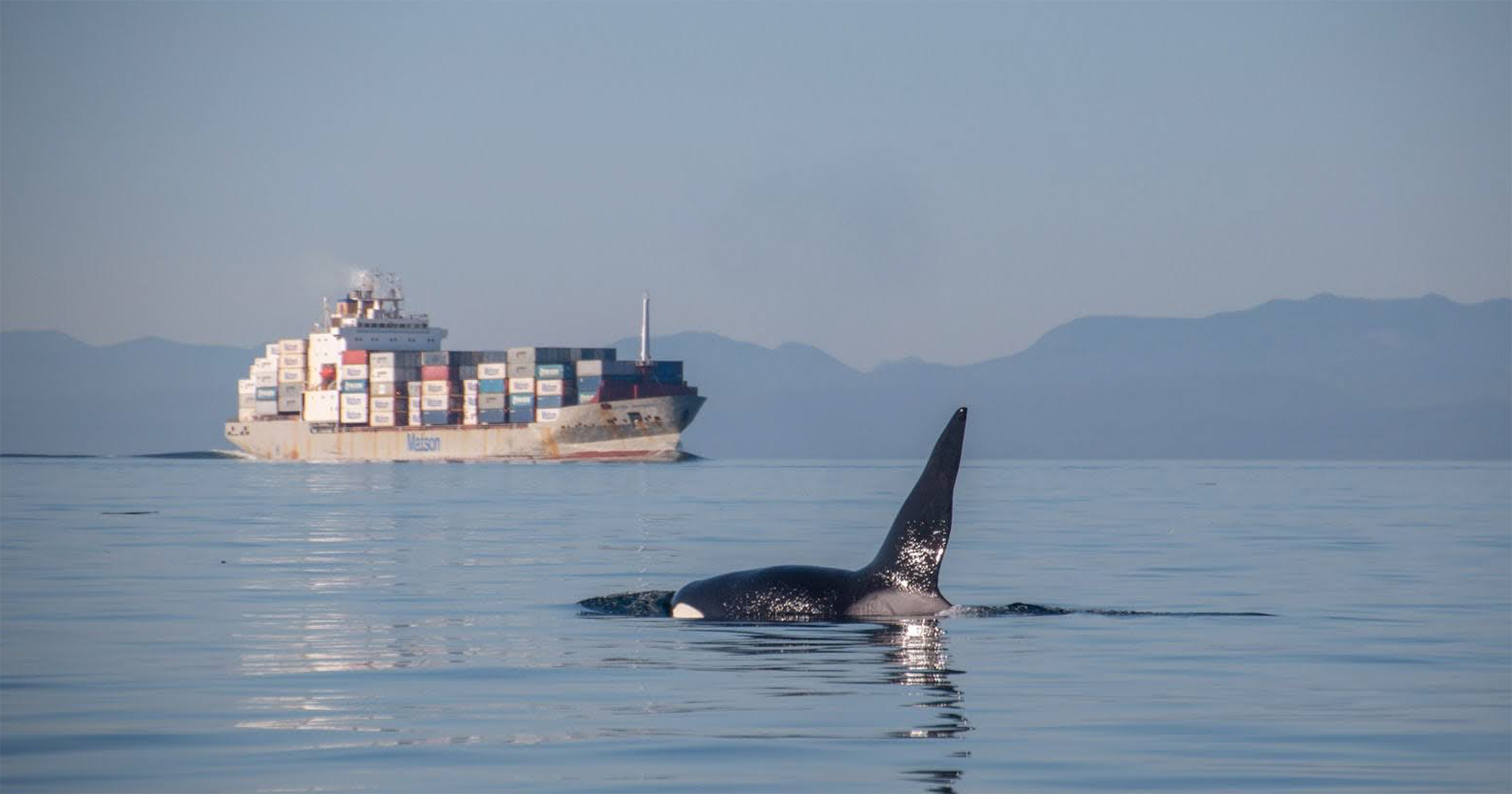
Underwater noise is one of the fastest-growing forms of pollution in the ocean. It can mask or distort the social communication that underpins cooperation, caregiving, prey sharing, and group cohesion in killer whales. To protect them, we first need to understand what they are communicating. Without this knowledge, we cannot know which social processes noise may be disrupting, or how best to safeguard them.
Gear up
Make a tax-deductible donation of over $150 and get a $20 discount code for our Raincoast x ANÍAN wool toque!
You can help
We’re bringing together decades of field biology and ecological knowledge of the whales with new analytical tools to understand killer whale communication more deeply than ever before. Your support will help us build a clearer picture of how whales use sound across cultures and oceans, and how we can better protect these vital communication systems.
This project is collaborative, innovative, and deeply grounded in on-the-water science. We need your donations and support to help it take off.
Communication at the core of killer whale culture
Killer whales are among the most socially and cognitively complex mammals on the planet. They live in tight-knit societies where sound likely mediates almost every aspect of their life – from navigation to group coordination decisions, cooperative hunting, prey sharing, or caregiving. They have rich acoustic repertoires of pulsed calls and whistles, and distinct vocal dialects that are transmitted culturally. In Resident killer whales (an ecotype, or cultural lineage, that feeds exclusively on fish), each pod uses a discrete call repertoire, and pods that share call types belong to broader “acoustic clans.” These vocal traditions, passed down through generations, represent one of the most compelling examples of non-human vocal culture.
A multimodal approach
By integrating synchronized drone footage, underwater acoustic recordings, and time-stamped behavioral observations, we aim to uncover how killer whales use sound to coordinate movements, share prey, and maintain social bonds – and how noise pollution interferes with these processes.
Together, these datasets allow us to link sound to behaviour with unprecedented precision. With expert support from Earth Species Project, we also apply advanced AI-based analytical tools to help us interpret this enormous multimodal dataset, identifying patterns across thousands of calls and relationships between calls and behaviour.
Conservation science
Despite decades of study, we still lack a clear understanding of what these vocalizations mean and how they function in social and ecological contexts.
This gap limits our ability to interpret how underwater noise, which is one of the fastest-growing forms of pollution in the ocean, affects communication, coordination, and group cohesion in this species. Most noise-impact studies have focused on echolocation and foraging, leaving a crucial question underexplored: How does noise affect communication that supports social cohesion and culture?
This project directly addresses that knowledge gap through a carefully designed, data-rich, interdisciplinary, and multimodal research framework.
Understanding killer whale communication dynamics is critical for conservation
To protect killer whale societies, we must first listen carefully to understand how they communicate.
Without knowing what the whales are communicating, we cannot identify which elements of their communication systems are most vulnerable to masking, nor design effective management responses. This collaborative research initiative directly addresses this knowledge gap by championing an integrated multimodal approach to studying killer whale communication.
This collaborative initiative unites field biologists, acoustic specialists, and experts in modern analytical methods to study killer whale communication in ways that were never before possible.
A successful pilot season
In 2025, researchers from Raincoast Conservation Foundation, Earth Species Project, and Icelandic Orca Project completed a highly successful pilot season in British Columbia. We tested and refined our multimodal workflow, demonstrated the feasibility of collecting synchronized datasets under challenging field conditions, and validated our analytical methods. This pilot season laid the foundation for a scalable, long-term research program that can be extended to multiple killer whale populations worldwide.
Ultimately, this project aims to transform how we study and protect the social lives of killer whales. Our long-term goal is to establish a global comparative framework for understanding the communication of this culturally diverse and socially intelligent species.
Preparing for the 2026 field season
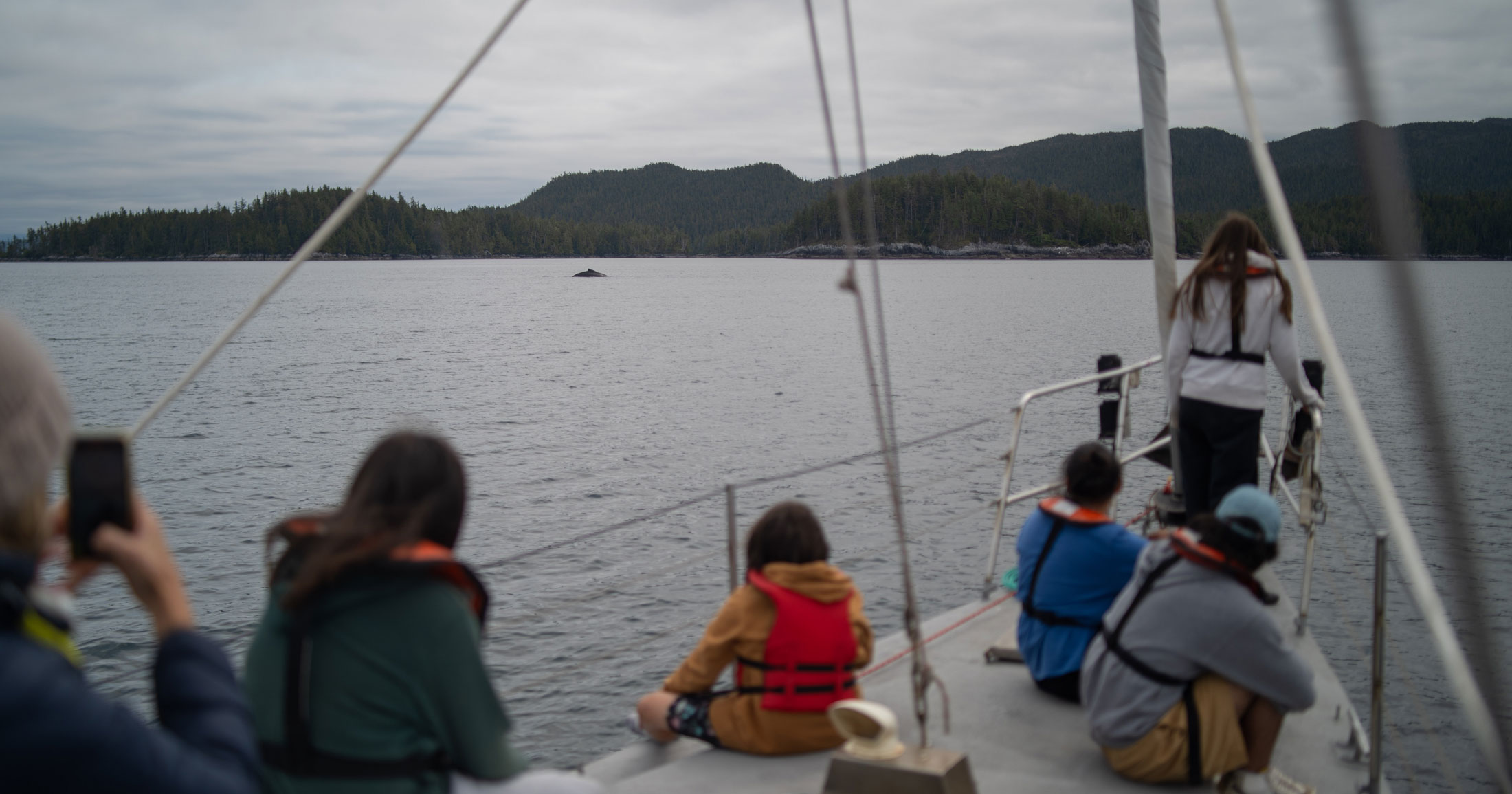
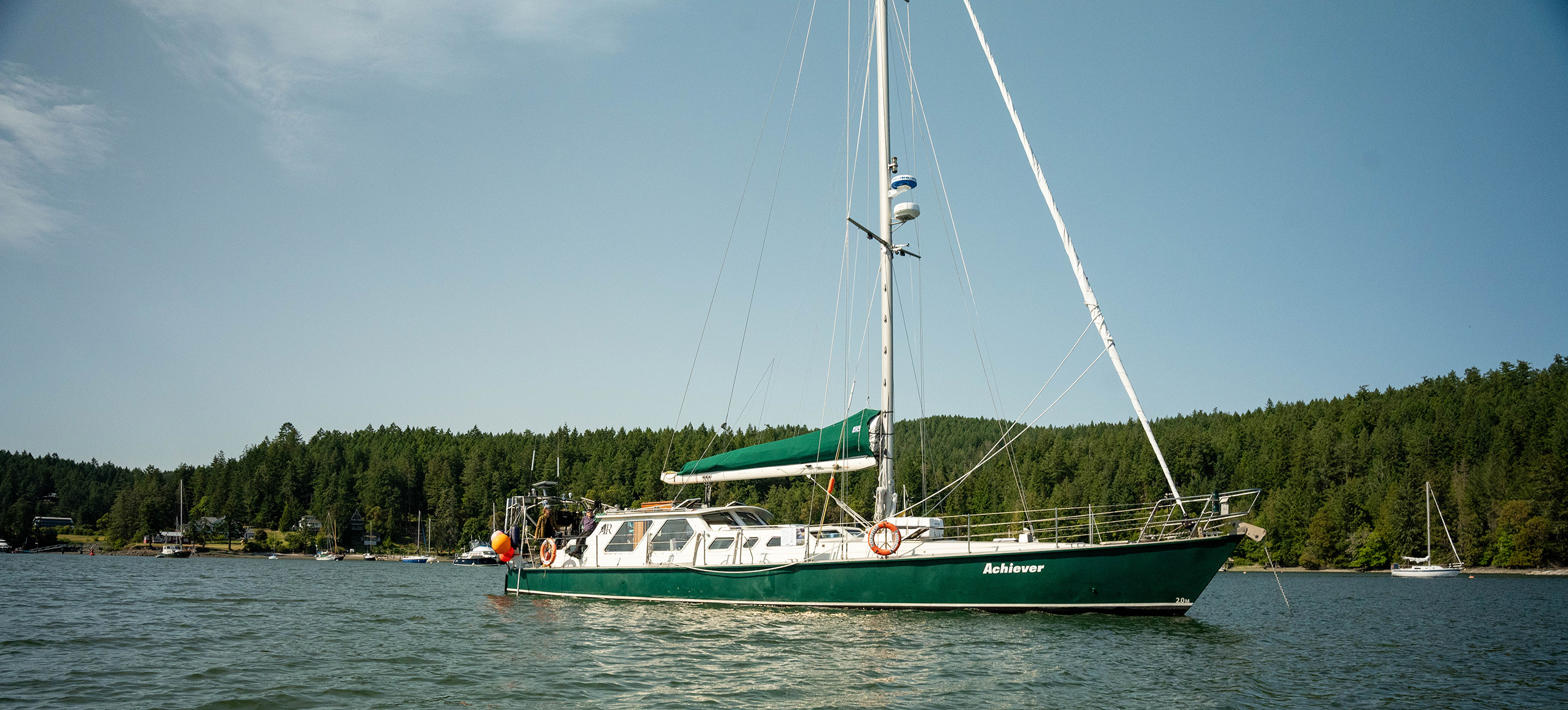
We are now preparing for an ambitious 2026 field season. This work depends on our ability to spend extended periods on the water aboard Raincoast’s research vessel Achiever, in areas frequented by Northern Resident killer whales and Bigg’s killer whales, to collect synchronized drone footage, acoustic recordings, and behavioural data. Operating Achiever for this project represents a significant cost, and we partly rely on donor support to make this expedition possible. Your contribution directly fuels the science, quite literally helping get the vessel, our researchers, and our equipment into the field so we can continue advancing this groundbreaking work.
Our partners
Earth Species Project
Earth Species Project (ESP) is a non-profit at the new frontier of interspecies understanding. ESP’s mission is to develop advanced audio-language foundation models for bioacoustics, analytical tools that help illuminate the communication systems of non-human species. Their interdisciplinary team, spanning machine learning, mathematics, ethology and neuroscience, develops models that help researchers detect patterns in large acoustic datasets and accelerate scientific discovery. ESP’s work supports conservation efforts by enabling a deeper understanding of how animals use sound and how human impacts affect their communication.
The Westman Islands Research Center of the University of Iceland
The Westman Islands Research Centre coordinates the Iceland Orca Project (IOP), the longest running killer whale research and monitoring program in Iceland. Director Filipa Samarra joined as a collaborator during the 2025 pilot field season in BC, Canada, when she came aboard Raincoast’s research sailboat to help conduct the inaugural fieldwork for this project. This collaboration grew naturally from our shared interest in understanding the cultural and acoustic diversity of killer whales across regions. Filipa and her team bring the long-term data and field infrastructure in Iceland that complements Raincoast’s work in the Pacific Northwest. This partnership forms the foundation of an emerging global framework for comparative killer whale communication research.