Letter in Science challenges Alberta’s ill-advised black bear hunting policy
Scientists question the evidence behind Alberta’s approach to “responsible wildlife stewardship” and call for the suspension of hound hunting.


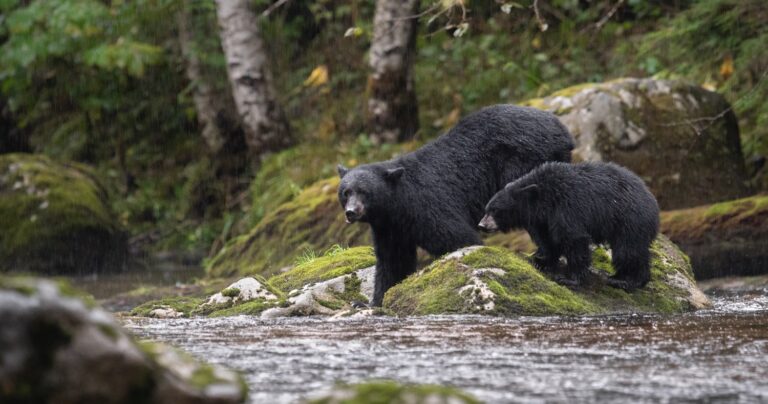
Scientists question the evidence behind Alberta’s approach to “responsible wildlife stewardship” and call for the suspension of hound hunting.
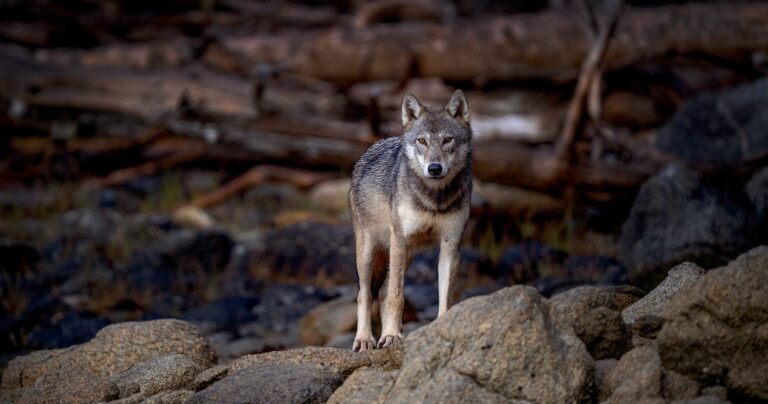
Photographer Michelle Valberg shares the story behind the image.
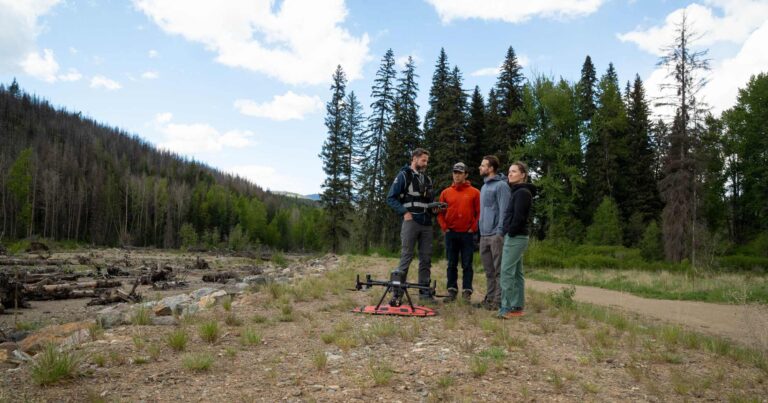
Supporters who provide the tools our team needs to do their work.
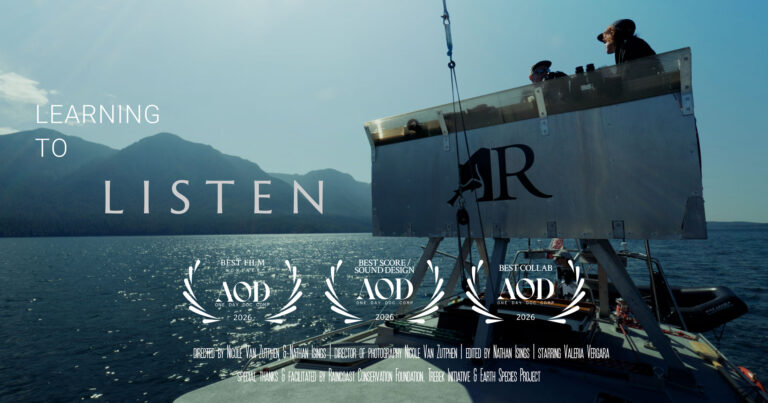
Learning to Listen follows Dr. Valeria Vergara and team as Raincoast examines what different killer whale calls may mean, and how underwater noise impacts the lives of these animals.
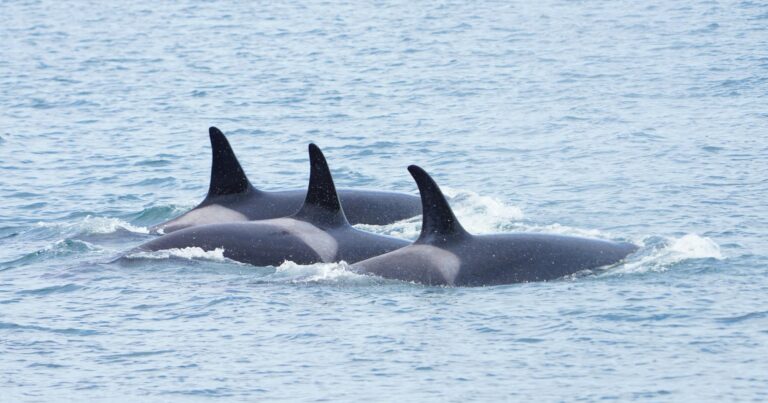
11 reasons why the West Coast Oil Pipeline should not be designated a Project of National Interest.
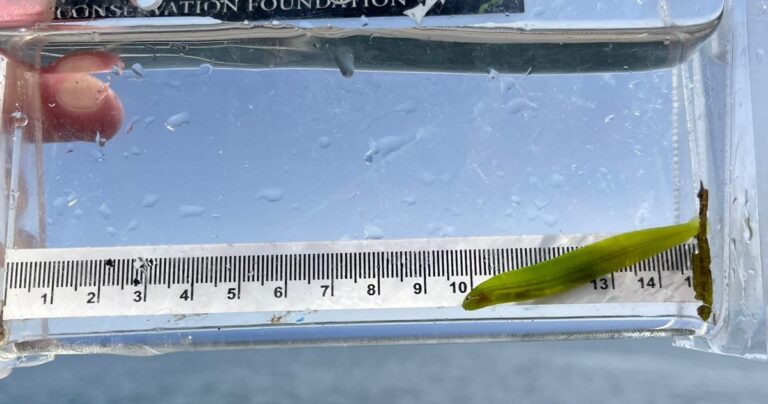
Highlighting the overlooked species that make eelgrass habitat one of the Fraser River Estuary’s most diverse ecosystems.
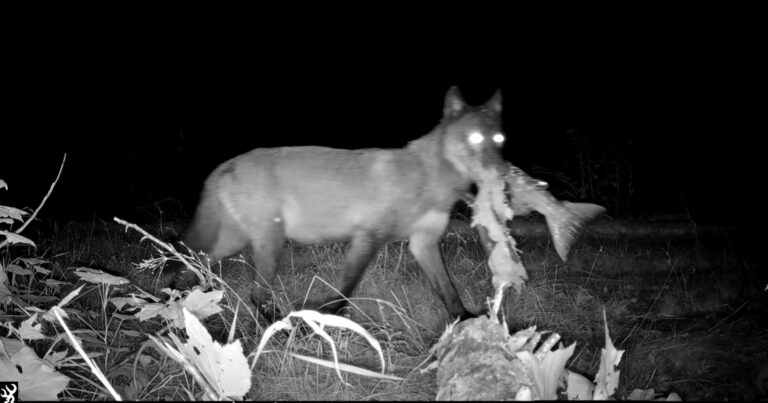
In the rich coastal forests of British Columbia, gray wolves are not just land-based hunters – they become salmon specialists each fall when these fish return to spawn.
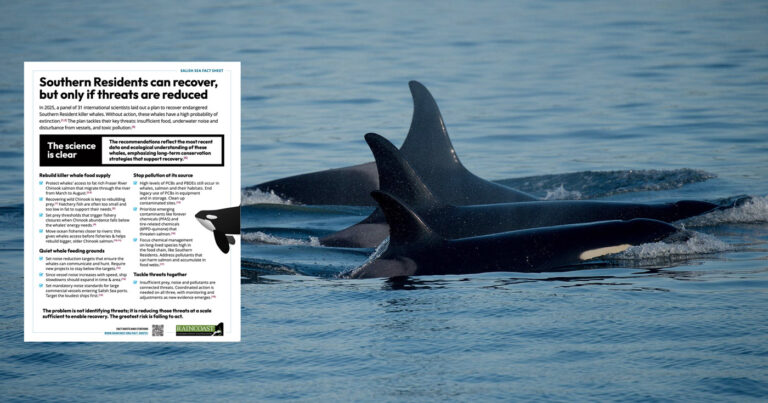
The problem is not identifying threats; it is reducing those threats at a scale sufficient to enable recovery. The greatest risk is failing to act.

Choosing the giving method that works best for you.
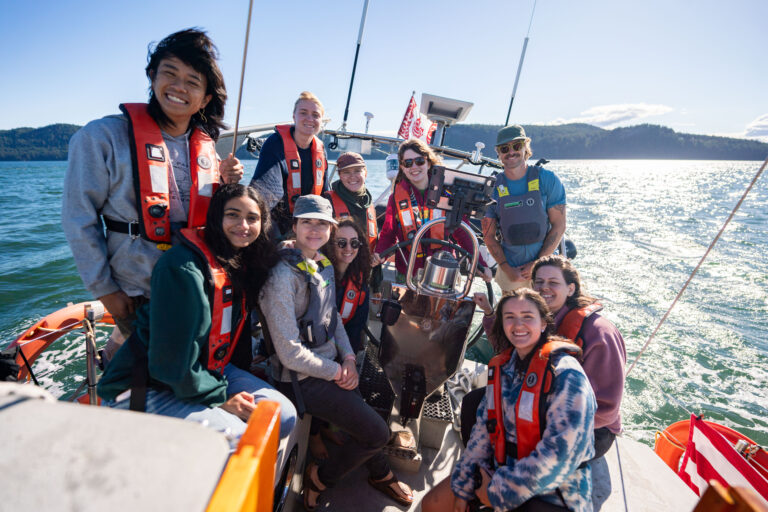
There are only three spots left on our next Land Healing Stewards sailing expedition! This is a five-day live-aboard trip on Raincoast’s 68-foot, Transport Canada certified, research sailing vessel, Achiever. This expedition will bring together eight Indigenous, BPOC, and 2SLGBQT+ youth, ages 19-29 from the Lower Mainland, Southern Vancouver Island, the Gulf Islands, and adjacent…
Learn more about last year’s winner of the Raincoast Ocean Science Student Award, Kiara Kattler, and her work exploring roles of predators in invasive species management in Haíɫzaqv (Heiltsuk) Territory.