New study investigates prey sharing in two closely related killer whale populations
Drones reveal hidden differences in how fish-eating killer whales cooperate.


Drones reveal hidden differences in how fish-eating killer whales cooperate.

Like us, motherhood is a lifetime commitment for these mammals.

Raincoast CSI: Cetacean Species Identification.

Extended periods of time at sea are necessary to collect the data that will bring us closer to understanding – and protecting – killer whales.

An increasingly noisy ocean is threatening the survival of this iconic BC species – field biologists and computer scientists are joining forces to defend their voice.

New study finds that the demands of maternal care can have lifelong impacts in this threatened population.

Research on call type modification shows how underwater noise shapes orca communication in the Salish Sea.

Behind-the-scenes of killer whale field research.
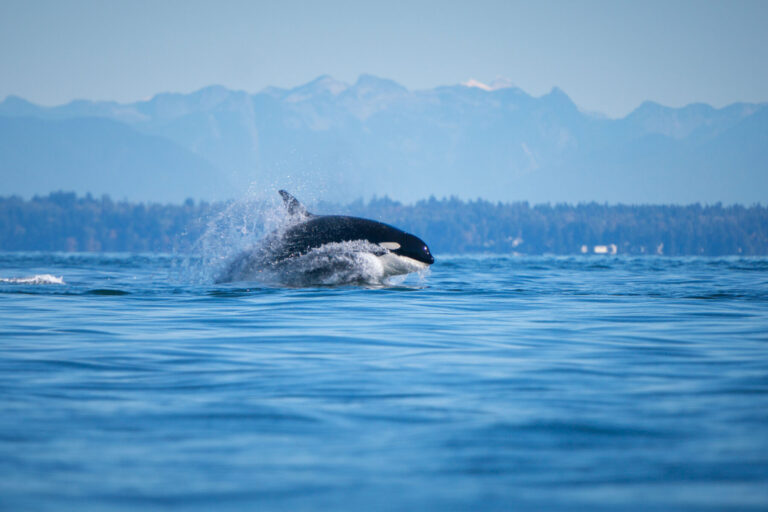
Combining hydrophones, drones, and AI to study killer whale communication dynamics.

This free course can help keep you and wildlife safe while on the water.

A Q&A with Raincoast Conservation Foundation’s Cetacean Senior Scientists
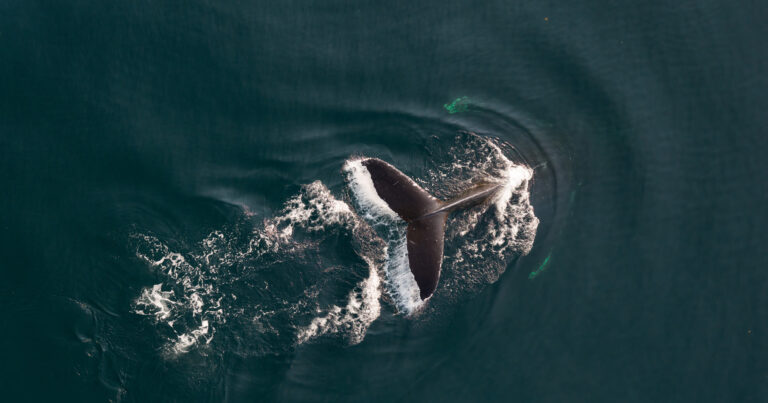
One of our most striking findings in 2024 was a negative relationship between the health of females and the number of offspring they had.